

How To Prepare for Your First Overlanding Trip
How To Prepare for Your First Overlanding Trip

Overlanding provides a unique adventure for those who love the great outdoors. Combining off-roading with self-reliant camping, overlanding allows you to explore remote, rugged landscapes while carrying everything you need in your vehicle. With rising interest in overlanding among outdoor enthusiasts, it’s no wonder more people are gearing up for their first trip.
If you’re a first-time overlander or someone looking for an unforgettable experience, this guide will help you prepare for your trip and equip you for a safe and enjoyable exploration. From choosing the right vehicle to staying safe on the trails, here’s everything you need to know.
Why Preparation Is Key for Overlanding
Overlanding is not your average camping trip—it involves venturing into remote areas where there may be no access to roadside assistance or convenient amenities. Preparation ensures you’re ready to face challenges like unpredictable terrain and weather, mechanical issues, or even emergencies.
A well-prepared trip helps you enjoy the freedom and beauty of the experience without unnecessary stress or risks. Being prepared also means respecting the environment and ensuring you don’t leave litter or disrupt campsites.
Choose the Right Vehicle

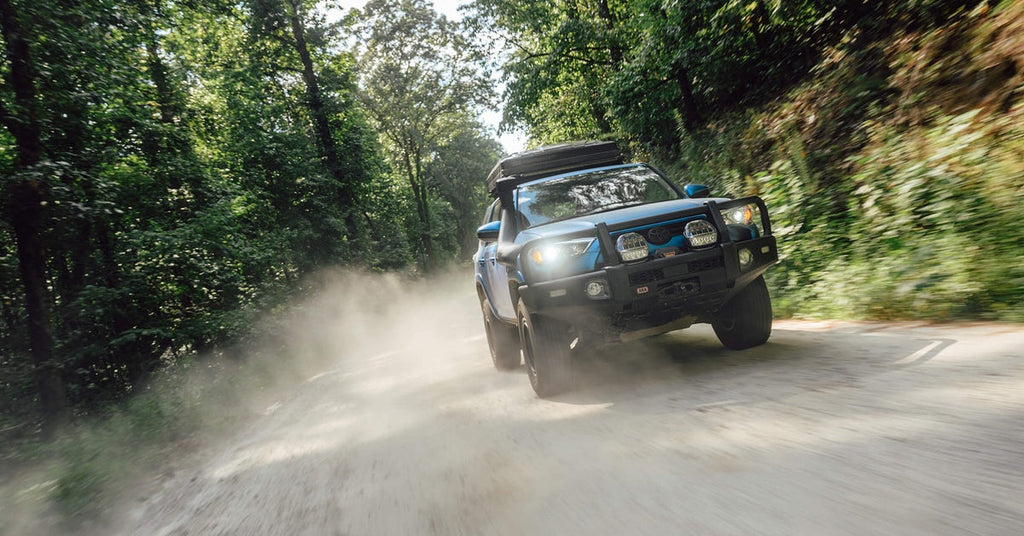
Your vehicle will be the backbone of your overlanding trip, so it’s crucial to choose one that can handle the terrain you plan to explore. Look for a four-wheel-drive vehicle with superior ground clearance. Popular choices for overlanding include trucks like the Toyota Tacoma or SUVs like the Jeep Wrangler.
Choose a vehicle that is spacious enough to carry your gear comfortably without overloading it. Remember, the more reliable and capable your vehicle, the smoother your adventure will be.
Preparing Your Vehicle for Overlanding
Before heading out, make sure your vehicle is up to the challenge. Start with basic maintenance tasks. Check the battery, tires, brakes, fluids, and lights to verify their condition. If you’re unfamiliar with vehicle maintenance, consult a mechanic who has experience with off-road vehicles.
Consider adding essential modifications to enhance safety and capability. Skid plates, off-road tires, and a roof rack for extra storage are great places to start. Winches, recovery boards, and light bars can be vital for handling tricky terrain or vehicle recovery situations.
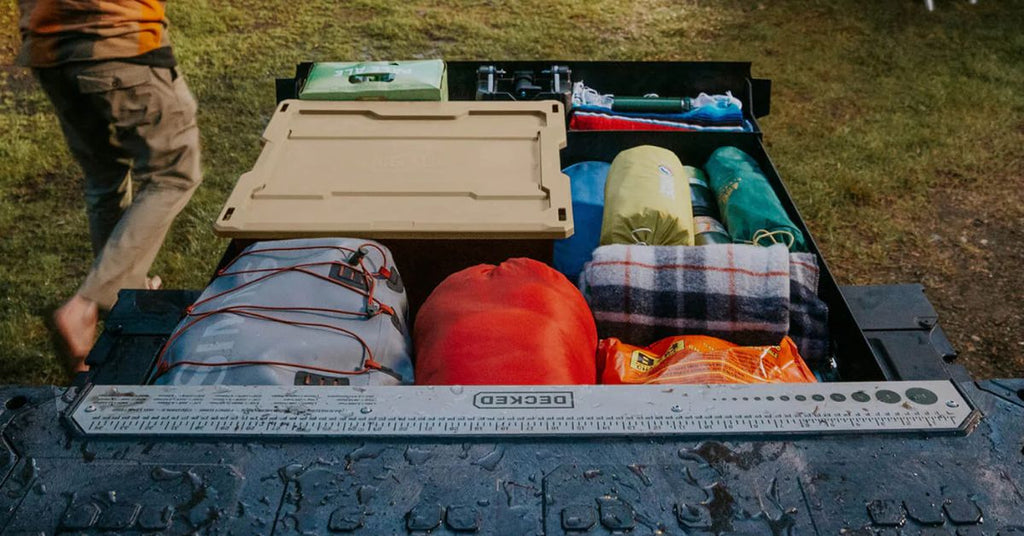
You should also know how to load your vehicle effectively. Keep heavy items low and well-secured to prevent tipping or damage on bumpy trails. You should also avoid overpacking, as unnecessary weight can strain your vehicle and affect handling.
Select Your Route
Choosing your first overlanding route is all about balancing adventure with your skill level. Find routes that match your vehicle’s capabilities and your confidence in handling rough terrain.
Beginner-friendly trails often have established camping spots, accessible water sources, and moderate difficulty levels. Don't forget to check weather conditions, wildlife activity, and regulations for the area before finalizing your route.
Create a Packing List
Packing for an overlanding trip requires careful planning to ensure you have everything you need while staying organized. Here are three major packing categories to focus on.
Comfort and Shelter Items
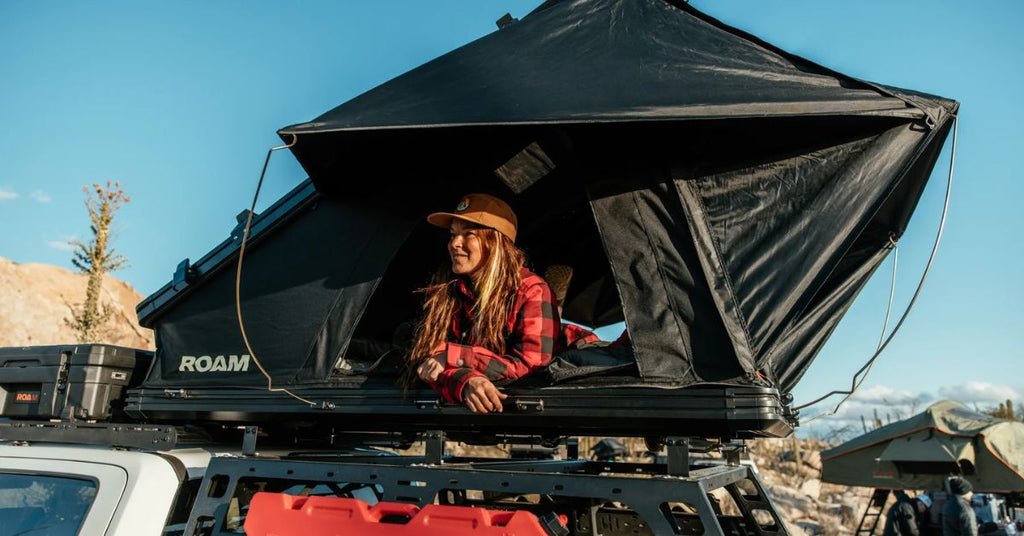
Bring a high-quality tent, sleeping bags rated for the weather, and a sleeping pad for added comfort. Camp chairs, a compact folding table, and a tarp for shade can make your outdoor stay even more enjoyable.
Safety and Emergency Supplies
Never leave without a first aid kit, fire extinguisher, and a basic toolset for vehicle repairs. Recovery equipment like tow straps and a tire repair kit can save you in a pinch. A GPS device, maps, and a satellite communication tool provide navigation and help with staying connected in remote areas.

Cooking and Cleaning Essentials
Pack a portable camping stove, pots, and utensils for cooking. Don’t forget eco-friendly dish soap, trash bags, and a collapsible sink for cleanup. A cooler or portable fridge will help keep your food fresh.
Bring Enough Food and Water
Stock up on non-perishable foods that are easy to prepare and provide you with enough energy, such as canned goods, granola bars, dried fruits, and nuts. Depending on the length of your trip, consider fresh produce and vacuum-sealed meals—just make sure to consume them early to avoid spoilage.
Staying hydrated is also key for any overlanding trip. Bring enough water to cover drinking, cooking, and cleaning needs. A good rule of thumb is two gallons per person per day. If your route will take you near water sources, carry a water filter or purification tablets to refill safely.
Know How To Stay Safe Overlanding
Safety should always be your priority when off the grid. Follow these essential tips to stay protected throughout your trip.
Vehicle Safety
Keep a close eye on your fuel levels and always carry extra fuel cans, especially for longer or remote routes where gas stations may be scarce. Inspect your tires daily for pressure, cracks, or other signs of wear and tear that could lead to a blowout. Finally, don’t forget to check other critical components like brake fluid, headlights, and windshield wipers to prepare your vehicle for the journey.
Camping Safety
Always set up camp before dark to avoid accidents and ensure visibility. Choose a flat, stable spot away from hazards such as dead trees, overhanging branches, or potential flooding zones. Keep your food stored securely in bear-proof containers or high, elevated areas to avoid attracting wildlife. You should also dispose of waste properly to maintain a clean and safe environment for yourself and nature.
Weather Preparedness
Regularly check weather forecasts for your location and surrounding areas to stay ahead of sudden changes. Be flexible with your plans in case of storms or unexpected weather conditions. Always pack layers for varying temperatures, invest in high-quality waterproof rain gear, and ensure you have emergency blankets or thermal gear for colder nights.
Emergency Planning
Before heading out, share your detailed trip itinerary, including expected return dates and check-in points, with someone you trust. If you can, it’s even safer to use the buddy system and travel with another person or vehicle when overlanding and off-roading.
Equip yourself with basic first aid skills and bring along a well-stocked first aid kit for minor injuries. Carry a small waterproof notebook with emergency contact numbers, local rescue service details, and important medical information in case of an accident or unexpected situation.
Where To Find Overlanding Gear
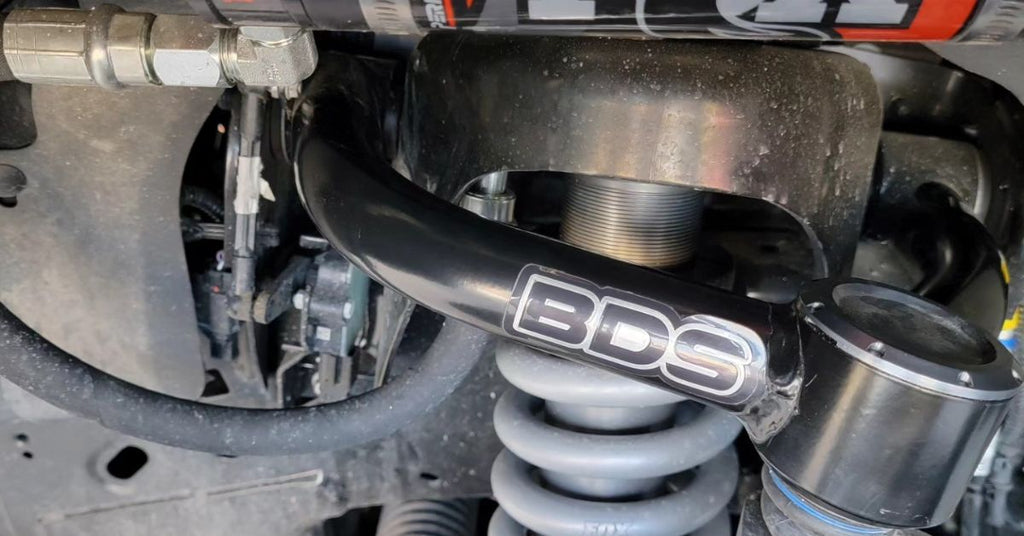
Equipping yourself with reliable overland gear will make your trip more enjoyable and less stressful. Specialty shops like Twisted Pro All-Terrain offer a wide selection of overlanding equipment, from sturdy roof racks to suspension kits for tackling tough trails. Our experts can help recommend the best gear and modifications based on the trails you want to experience.
Start Your Adventure Today
Preparing for your first overlanding trip might seem overwhelming, but careful planning makes all the difference. Following these tips for preparing for your first overlanding trip ensures your adventure will go off without a hitch.
It’s time to hit the trails, explore the great outdoors, and create unforgettable memories. Need help finding the best overlanding equipment or modifying your vehicle for the road less traveled? Check out Twisted Pro All-Terrain for everything you need to start your overlanding journey.
Related post
21
Nov
17
Oct
17
Oct
10
Sep
28
Aug