Questions To Ask a Mechanic Before Installing a Lift Kit
Questions To Ask a Mechanic Before Installing a Lift Kit

You finally purchased and installed a lift kit—congrats!. A few days later, though, your ride feels stiff, bounces unpredictably, and the drivetrain starts making a noise it never used to.
Leveling kits might give your ride a more aggressive stance, but they also change how your vehicle handles, how components wear, and whether you’re staying within legal limits. That’s why a solid conversation with a qualified mechanic matters more than most folks realize. Here are a few questions to ask a mechanic before installing a lift kit.
What Type of Driving Do You Do Most?
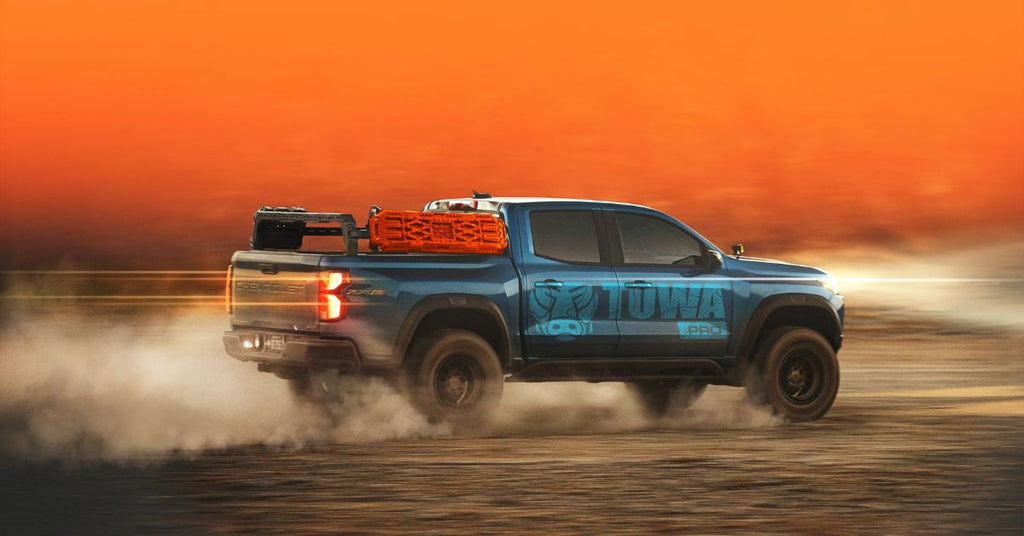
Not every lift is built for rock crawling or deep water crossings. If you’re using your rig for commuting or weekend hauling, you probably won’t need the same setup as someone climbing rough backcountry trails every month.
Your driving environment plays a bigger role than you might think. Around St. Augustine, soft sand and salty air pose challenges. Some metals corrode faster in coastal conditions, and a mechanic should be able to help you choose lift components that are either treated or made from corrosion-resistant materials.
How Will a Lift Affect My Ride Quality?
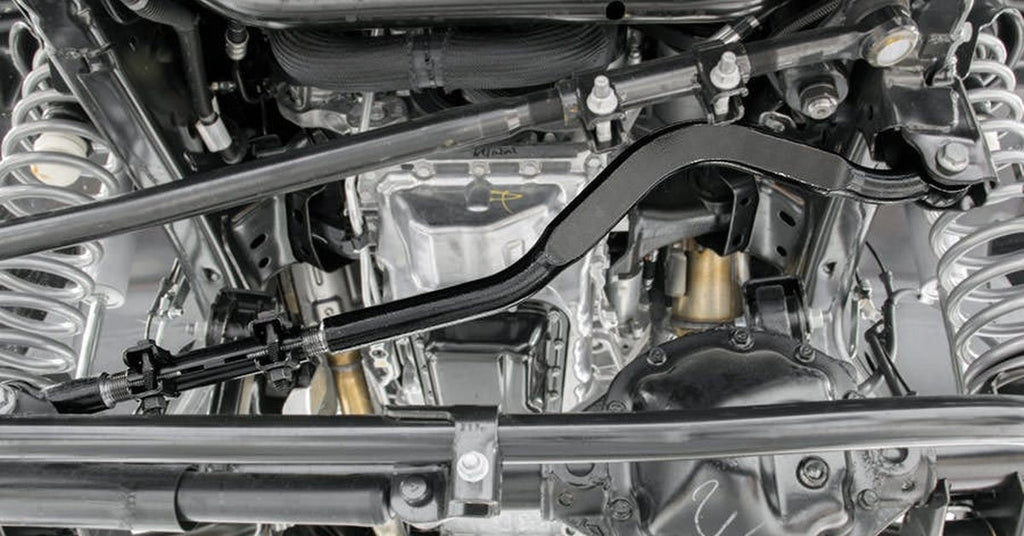
Ride quality takes a hit when a lift kit is installed improperly or without the right supporting mods. Body lifts, which raise the cab off the frame without changing suspension geometry, might preserve the stock ride better. On the other hand, suspension lift kits typically offer better clearance and articulation but can stiffen the ride if not dialed in properly.
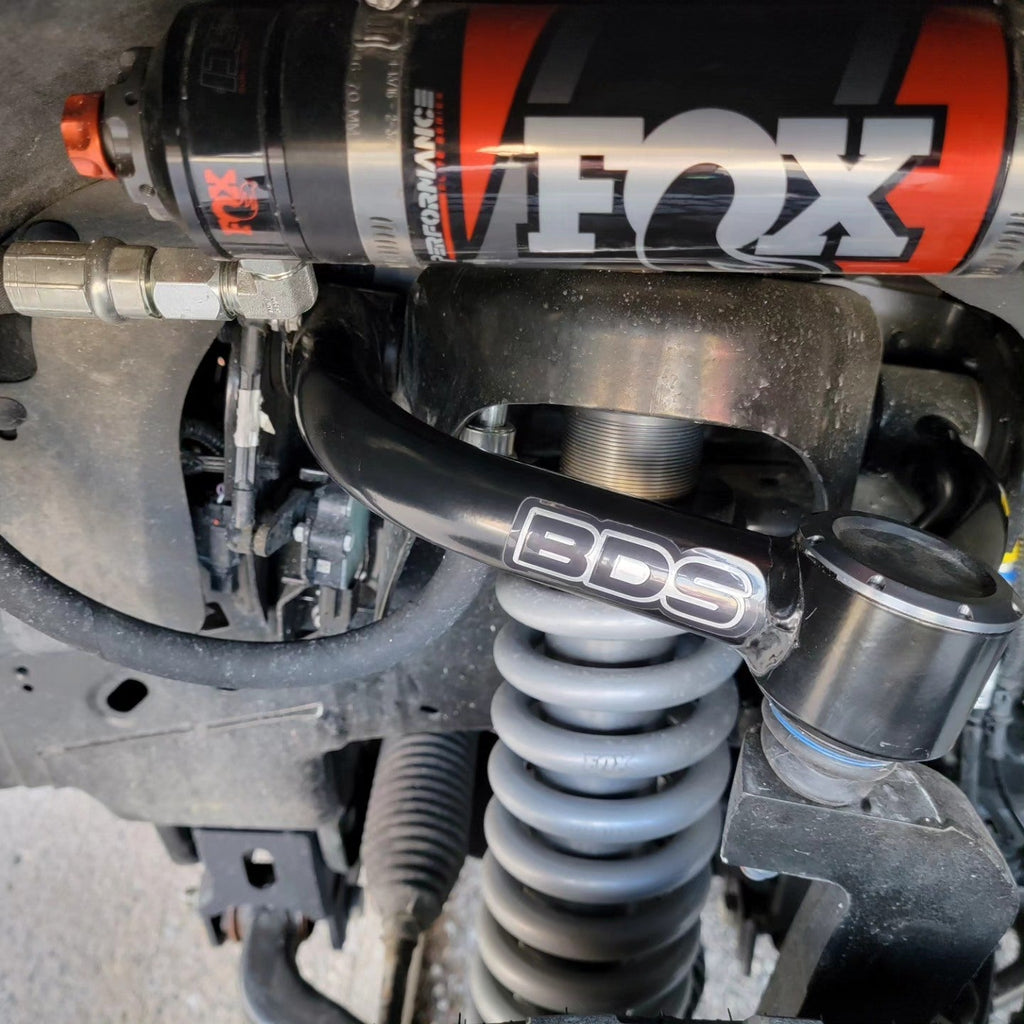
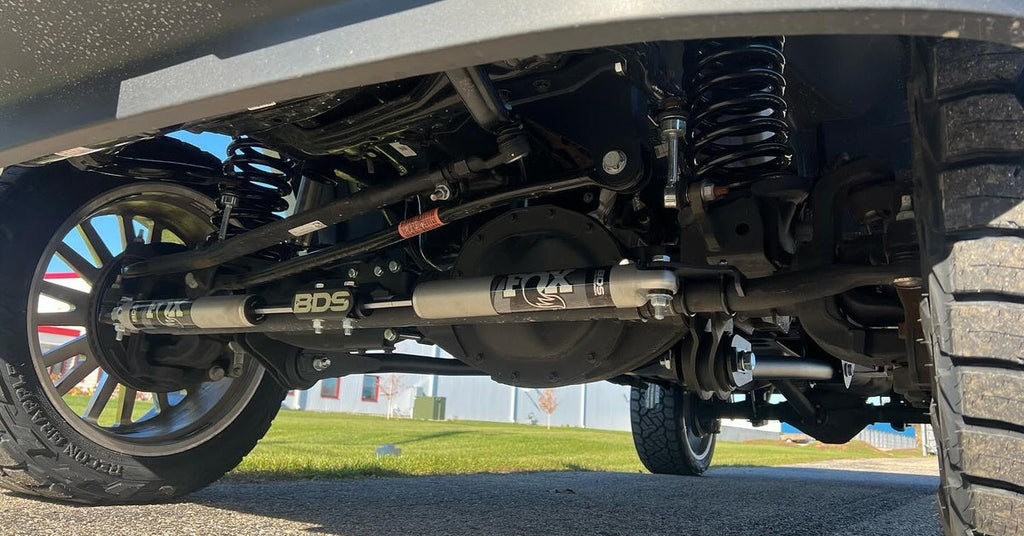
Ask if your mechanic recommends upgrading shocks or control arms during the installation. These components support comfort and responsiveness after the lift, particularly on uneven terrain or during long drives.

Will My Vehicle Need Additional Modifications?
This is where surprises can sneak up fast. A small lift might not require any changes beyond the basic kit. Once you get past the three-inch mark, you could be looking at upgrades to your drivetrain, steering geometry, brake lines, or even gear ratios.
A good mechanic will walk you through what’s essential and what can wait. Ask if re-gearing or extending brake lines is included in the quote, or if that’s going to add time and money later on.
Are My Tires and Wheels Compatible?
It’s easy to assume your existing tires and wheels will work after a lift, but that’s not always the case. Depending on your wheel offset and the lift height, you could run into rubbing issues during turns or suspension flex.
Be specific when talking about tire size. For instance, if you’re planning on switching to 35-inch tires, you’ll need to confirm how much lift is necessary and whether you should trim the wheel wells. A mechanic should also let you know if your vehicle’s factory wheels will affect alignment or clearance after installing the kit.
Have You Checked Local Lift Laws?
Lift regulations vary widely by state in the US. While Florida is more lenient than many places, some municipalities impose restrictions on bumper height or headlight positioning. A mechanic familiar with local rules can help make sure your setup stays street legal.
Ask if the shop keeps up with lift laws or offers inspection services to verify compliance post-install. The last thing you want is to invest in a mod only to face fines or failed inspections!
What’s the Best Height for My Needs?
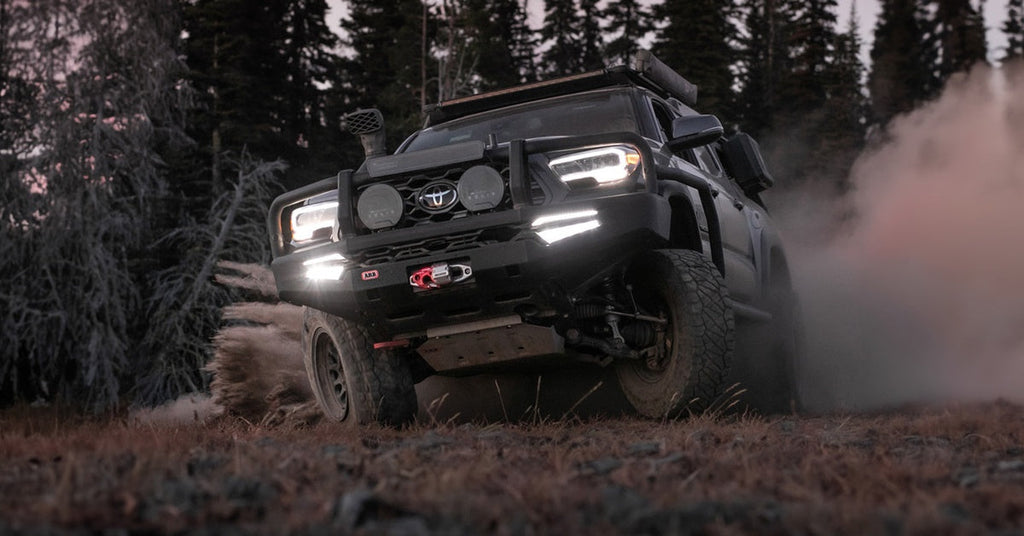
Are you tempted to go big when lifting your off-roader? Taller isn’t always better. A two- to four-inch lift is more than enough for improved clearance without compromising stability or legal compliance.
A lift over six inches can affect your vehicle’s center of gravity, making it harder to handle on the highway or in sharp turns. In some areas, extreme lifts might also run afoul of local laws or require additional inspections. A mechanic should help you match the lift height to your driving habits and local requirements.
Will This Affect My Warranty or Insurance?
Before installing the lift kit, check how a lift kit might impact your warranty or insurance policy. Some manufacturers won’t cover suspension components or related systems like steering or drivetrain after a lift is installed.
It’s smart to ask your mechanic if they can provide documentation or certifications showing that parts were professionally installed. This might help when dealing with insurers or keeping warranties intact. Your mechanic should be transparent about risks or limitations upfront.
How Long Will My Vehicle Be in the Shop?
Off-road lift kits aren’t always a one-day install. Depending on the build and the number of supporting mods your vehicle needs, the process might take anywhere from six hours to two full days. Some shops may need to order specialty parts or wait for alignment availability.
Ask for a clear timeline up front. This will help you plan transportation and avoid rushing the job. A seasoned mechanic should be able to give you a rough time estimate based on the kit you choose and your vehicle’s specs.

Who’s Responsible for Alignment and Tuning?
Post-lift alignment is imperative, as misalignment can wear through tires unevenly, stress suspension components, and cause the steering to pull to one side.
Some mechanics include alignment in the total cost of installation, but not all do. It’s also worth asking whether ECU tuning or sensor recalibration is necessary, especially if you’re lifting a new model with advanced driver assistance features. Avoid surprises by clarifying this before anyone turns a wrench.
Do You Recommend a Specific Brand or Kit?
A mechanic’s go-to brands say a lot about what they trust. Ask why they favor certain kits, whether it’s ease of installation, part durability, or compatibility with specific makes and models. These insights can help you avoid wasting time and money on an inferior or overly complicated product.
Also, ask whether they’ve worked with the specific kit you’re eyeing. Truck lift kits, in particular, can vary widely in complexity. Installing one on a Ram 1500 isn’t the same as lifting a Toyota Tacoma or Ford Bronco. Prior hands-on experience leads to a smoother process and a better outcome.
Avoiding Regret in the Garage
Skimping on prep questions can cost more than just money. A rushed install or the wrong kit for your build could leave you with clunky handling, worn parts, or a ride with an abnormal feel.
If you’ve been running through your own list of questions to ask a mechanic before installing a lift kit, the one thing you don’t need to ask is whether Twisted Pro All-Terrain is qualified for the job. All our technicians are suspension-certified, and we average two to three complete builds every day. We’re proud of our work and happy to share recent builds or customer references if you’d like a peek behind the scenes.
Whether you’re shopping for suspension lift kits, bumpers, or tires, Twisted Pro All-Terrain makes it easy to mod without the guesswork.