Guide for Pre-Trip Inspections To Ensure Great Off-Roading
Guide for Pre-Trip Inspections To Ensure Great Off-Roading

The thrill of an off-road adventure is an experience like no other. But that excitement can quickly turn to stress if you’re not prepared. Set off on your journey, confident that your vehicle is ready for anything the trail throws its way. This guide for pre-trip inspections to ensure great off-roading provides a straightforward checklist, so your adventure is memorable for all the right reasons.
Tires and Suspension: Your Connection to the Trail
Your wheels and tires are the only part of your vehicle that touches the ground, so start your inspection there. Check your tires for any cuts, punctures, or bubbles in the sidewalls. Your tires need enough tread for the terrain ahead. Adjust tire pressure for off-roading, for example: lower for sand, higher for rocks, and don't forget to inspect your spare.
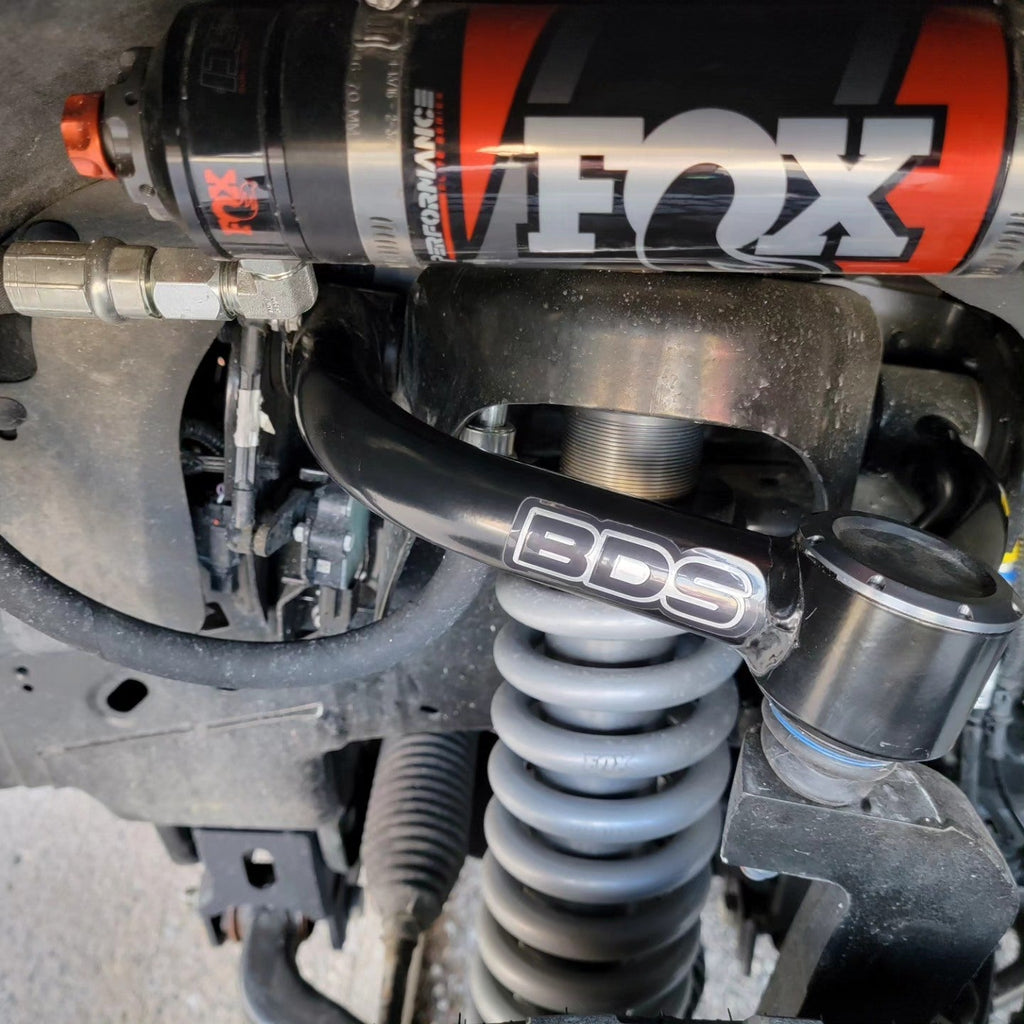
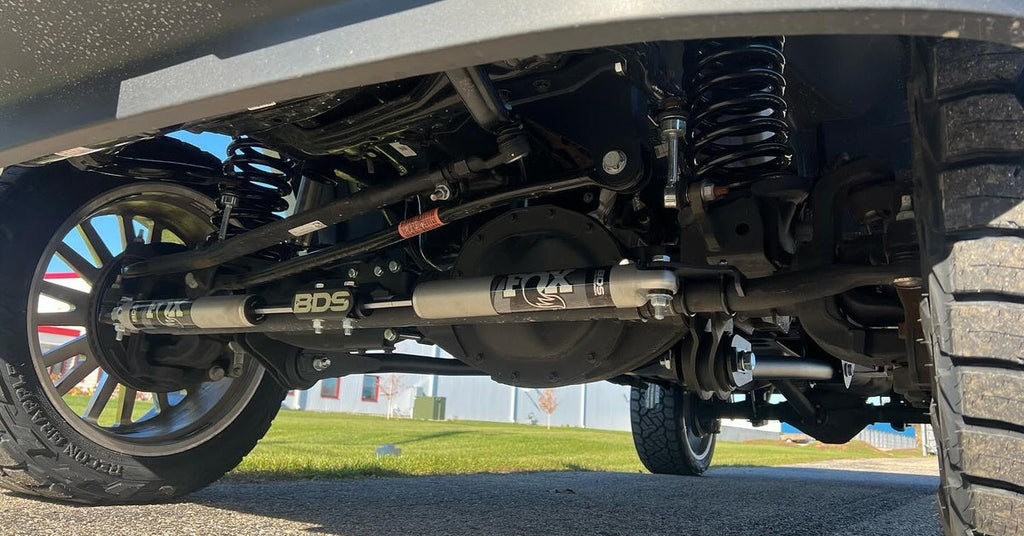
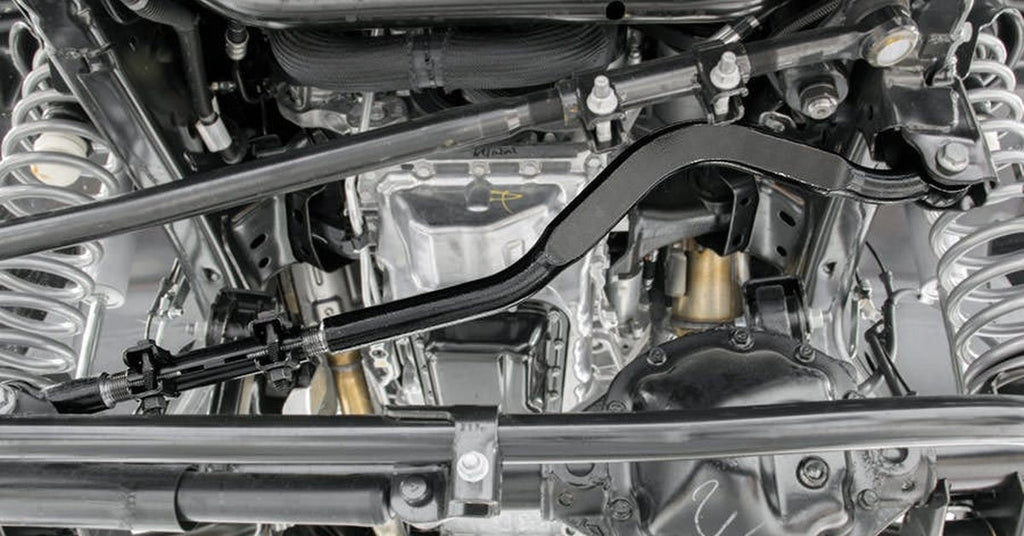
A well-built suspension system provides a smoother ride and better control. Visually inspect your shocks and struts for any signs of leaks or damage. Listen for unusual noises and check for loose components. Bring along a small tire gauge, so you can quickly check and adjust pressure if you encounter changing trail conditions.
Essential Fluids: The Lifeblood of Your Vehicle
Performing an off-road fluid check prevents major mechanical issues. Pop the hood and verify the levels for your engine oil, coolant, brake fluid, and power steering fluid. Topping off these fluids keeps your engine running cool and your brakes and steering responding correctly.
Checking for leaks underneath your vehicle is just as important. Look for any drips or wet spots on the ground where you park. A small leak at home can become a major problem on a remote trail, so it's best to address it beforehand. If you’re uncertain about a particular fluid’s appearance or smell, refer to your owner’s manual or consult a mechanic. For longer trips, consider bringing extra fluids with you, especially oil and coolant, so you’re ready for unexpected needs.
Battery and Lights: Power and Visibility
A dead battery can halt your adventure before it even starts. Check that the terminals are clean and securely connected and that the battery has a full charge. If your battery is more than a few years old, consider having it tested to avoid getting stranded.
Functional lights are a must-have for safety, especially if your trip extends past sundown. Test all your primary lights, including headlights, brake lights, and turn signals. If you have auxiliary lights like a light bar, make sure they are working correctly, too. Have spare bulbs, fuses, and a portable jump starter on hand for emergencies.

Brakes: Your Most Important Safety Feature
Your brakes are non-negotiable when it comes to safety. Before you head out, test your brakes for responsiveness. Also, perform a visual inspection of your brake pads and rotors and check them for wear that suggests they need replacement.
It’s smart to observe for any unusual squeaks or grinding sounds while braking during your test drive, as these are early warning signs of worn pads or other issues. If you notice a decrease in brake performance or a mushy pedal, take care of repairs before heading out. In off-roading, reliable brakes are your safeguard in unpredictable terrain.
Recovery Gear: Your Trailside Insurance Policy
Even the most experienced drivers can get stuck. Packing the right essential off-road recovery gear is like having an insurance policy for the trail. At a minimum, carry a quality tow strap, D-rings or shackles, and a sturdy jack that is appropriate for your vehicle.
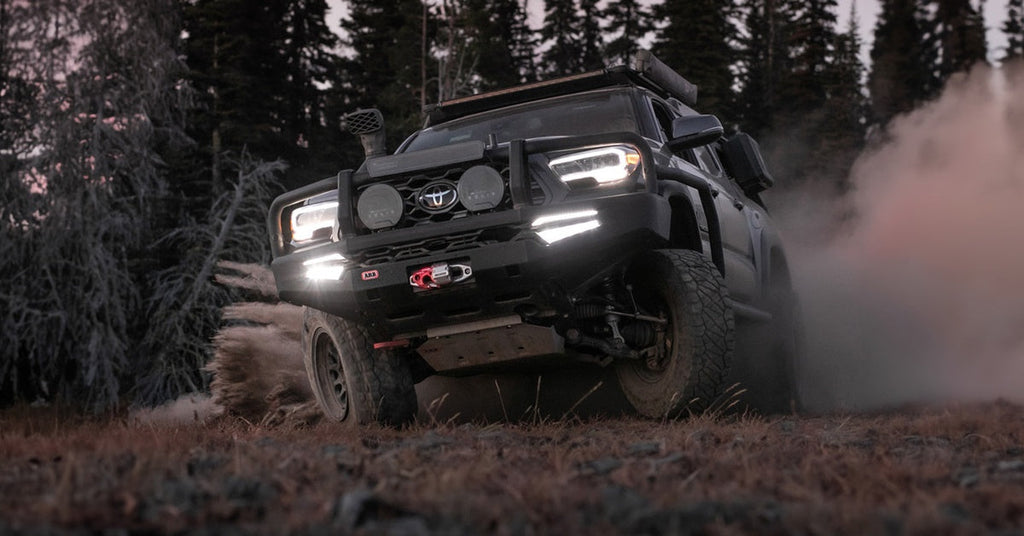
If you have a winch, test the cable and remote. Familiarizing yourself with your recovery points and equipment in your driveway is much easier than learning how to use them for the first time in mud or on a steep incline. Consider a set of traction boards and a shovel for self-recovery in sand, snow, or mud, these lightweight items save hours of waiting for help.
Tool Kit Essentials: The Mobile Garage
You don’t need to bring an entire workshop, but a basic tool kit can resolve many common issues. Pack a set of wrenches, screwdrivers, and pliers. A tire repair kit and a portable air compressor are also invaluable for addressing flats on the go.
Include a multi-tool, some duct tape, and zip ties for quick fixes. Gloves and a headlamp are useful additions that make on-the-spot repairs safer and easier, especially after dark. Carrying a basic repair manual or a digital troubleshooting app is also helpful in unfamiliar situations.
Navigation and Communication: Stay Found and Connected
Getting lost can be dangerous, especially in areas without cell service, so make sure you have navigation tools for off-roading. Plan your route in advance and have a reliable GPS or offline maps downloaded to your phone or device. As a backup, a traditional compass and paper map never run out of batteries.
Inform someone of your intended route and expected return time. For remote adventures, consider bringing two-way radios to communicate with your group or a satellite phone for emergencies. A portable power bank is also a smart addition to keep your devices charged.

Route and Weather Planning: Never Get Caught Off Guard
Before you set out, research your trail for any closures, seasonal restrictions, or recent hazards such as mudslides or washouts. Check the weather forecast and pack for conditions like sudden storms or temperature changes, which can catch even experienced travelers off guard.
Bringing extra clothing layers, rain gear, sunscreen, and insect repellent keeps you ready for anything nature throws your way. Reviewing forums or local groups for the latest trail updates can offer valuable insights from recent travelers.
Load Securement and Final Walk-Around: The Last Check
Right before you pull out, do one last walk-around. Make sure all your gear is securely tied down inside and outside your vehicle to prevent it from shifting. This final check is a great opportunity to catch anything you might have missed.
Double-check that fuel tanks are full, windows are clean for visibility, and all passengers are using their seatbelts. Starting a trip with confidence in your preparation allows you to relax and make the most of your adventure.
Trust Twisted Pro All-Terrain for All Your Off-Roading Needs
With your pre-trip inspections to ensure a great off-roading complete, you can hit the trail with confidence for a safe, fun, and successful off-roading adventure.
Take your off-road preparation to the next level with help from the experts at Twisted Pro All-Terrain. Get help choosing the right gear with our professional advice about trail-ready vehicles. Visit our website or contact us today to build your ultimate off-road machine.