
6 Food Storage Tips for Your Next Overlanding Trip
6 Food Storage Tips for Your Next Overlanding Trip

Overlanding is all about adventure, self-reliance, and exploring remote destinations. While the focus is often on gear, vehicle upgrades, and epic routes, proper food storage will help you create an enjoyable and stress-free trip. Without proper planning, your meals can spoil, attract wildlife, or become a safety concern.
You must know how to store your food before you hit the road if you are planning a several-day overlanding trip. This guide will walk you through the six essential food storage tips for your next overlanding trip, from meal planning to wildlife protection and everything in between.
The Importance of Proper Food Storage for Overlanding
Proper food storage maintains the quality and safety of your food on an overlanding trip. When you’re far from convenience stores, fast food stops, or even emergency supplies, your survival and comfort depend on having safe and edible meals at the ready.
Improper storage can lead to food spoilage, contamination, or even wildlife encounters that put your trip and safety at risk. By following key storage practices, you’ll deal with less waste, more efficient packing, and tastier meals wherever your adventures take you.
Planning Your Meals and Quantities
Effective meal planning is the foundation of good food storage while overlanding. Begin by mapping out your trip itinerary and estimating how many meals and snacks you’ll need each day on the road. Factor in high-energy foods to fuel your activities, and opt for meals that are easy to prepare using minimal equipment.
Best Foods To Pack for Overlanding Adventures

Canned foods, dehydrated meals, and shelf-stable items are the best options for overland travel. Tuna, beans, chicken and other canned proteins offer convenience and long shelf lives, while dehydrated meals provide lightweight yet filling options. Don’t forget essentials such as spices, cooking oil, and condiments that can elevate some of these otherwise bland ingredients.
Choosing the Right Food Storage Containers
Choose durable, reusable containers for effective food storage. Air-tight and leak-proof containers preserve freshness and prevent cross-contamination. Containers made of BPA-free plastic, silicone, or stainless steel are robust and ideal for the rigors of overlanding. Transparent containers can also help you quickly identify the contents without unnecessary digging.
Consider portable coolers or fridge-freezers with heavy insulation to maintain the correct temperature when bringing perishable items is unavoidable. Vacuum-sealing food is another practical way to preserve freshness while minimizing the space items will take up in your cooler. Remember to label containers with a waterproof marker to keep track of expiration dates and items.
Temperature Control and Cooling Methods
Keeping your food at the proper temperature avoids spoilage, particularly when overlanding in warmer climates. Non-perishables can usually withstand higher temperatures, but you must cool perishable items, such as dairy, meat, and fresh produce. Portable fridge-freezers that offer precise temperature control for extended trips are popular traveling items among overland enthusiasts.
Stick with a high-quality cooler if you can’t transport one of these cooling devices. Use block ice or ice packs instead of cube ice for longer-lasting cooling. Place perishable items at the bottom where it’s coldest, and avoid frequently opening the cooler to maintain consistent temperatures. Don’t forget to replenish ice regularly when you have a chance to restock.
Preventing Food Contamination and Spoilage
Preventing cross-contamination starts with proper separation of raw and cooked foods. Store raw meats and seafood in sealed bags or containers at the bottom of your cooler to avoid it leaking onto other items. Wash fruits and vegetables before your trip to save water and avoid contaminating your food prep area later, where you’ll have more spatial restrictions.
Be mindful of proper hygiene when handling food during your trip. Use biodegradable soap to wash your hands, cutting boards, and utensils after each use. A small bottle of hand sanitizer can also be helpful between meals. Always dispose of spoiled food in designated areas or in separate containers to avoid health risks or attract unwanted wildlife.
Protecting Food From Bears and Other Wildlife
Securing your food becomes a safety priority when you’re exploring areas where bears or other wildlife are present. Wildlife encounters are dangerous and could ruin your food supply if animals break into your storage.
Use bear-proof containers or bear bags to store your food securely when camping in these areas. Never leave food unattended or within reach of animals, and always store all snacks, garbage, and scented toiletries in secure containers. Place your cooking area at least 200 feet from your sleeping area for additional safety precautions.
Smart Packing Techniques for Limited Space

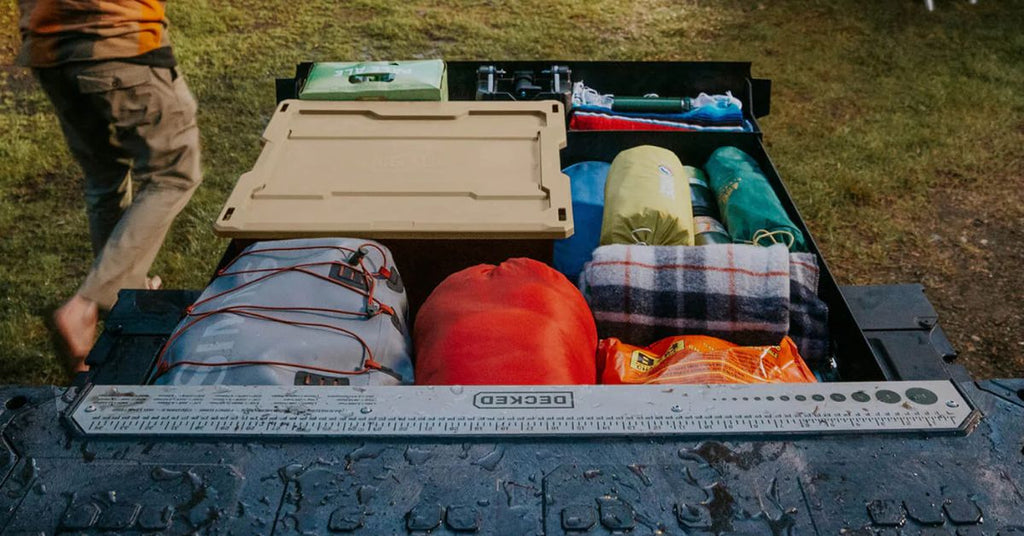
Overlanding requires a good deal of packing efficiency since you’ll have limited space inside your vehicle. Pack heavy and less frequently used items at the bottom and lighter, more frequently used items on top. Group items by meal type or purpose in separate containers to make unpacking smoother when it’s time to cook.
Avoid overpacking by sticking to what you’ll realistically need based on your trip length. Multi-use kitchen tools, nesting cookware, and compact utensils are ideal for saving space in your setup. Stackable storage bins for non-perishables and smaller items can help you optimize vertical space inside your vehicle.
Optimizing Your Vehicle for Longer Overlanding Trips
The right storage solutions are essential to keep your setup organized, efficient, and ready for any adventure if you’re planning extended overlanding trips. Consider equipping your vehicle with drawer systems to maximize your interior space or roof racks to carry large camping gear, recovery tools, and additional supplies.
Twisted Pro All-Terrain offers a range of high-quality gear and overlanding essentials tailored specifically for travel. Our products meet the unique needs of overlanding enthusiasts, from durable storage solutions to practical add-ons that enhance your vehicle’s functionality.
Check out our range to find practical, reliable options to elevate your next journey. We offer food storage solutions and cooking and heating systems compatible with overlanding travel and even on-the-go trail meals that are quick and easy to make.
Creating a Memorable Overlanding Food Experience
Your overlanding meals should be just as memorable as the trails you explore. Proper planning, investing in quality storage solutions, practicing safe food-handling techniques, and following the rest of these food storage tips for your next overlanding trip. You’ll reduce stress and risk while enjoying delicious meals that keep you energized for the next adventure.
Everyone needs proper food planning and tools, whether you’re a seasoned overlander or gearing up for your first trip. Browse Twisted Pro All-Terrain today to find all the cooking and storage accessories you need for your next overlanding adventure.
Related post
21
Nov
17
Oct
17
Oct
10
Sep
28
Aug