Overland Plan: Legal Considerations & Off-Road Regulations
Overland Plan: Legal Considerations & Off-Road Regulations

Off-road builds should push boundaries, but not legal ones. Each upgrade must align with the rules of the road, whether you’re adding a lift, swapping out your wheels, or wiring new lighting. Even small infractions can land you on the wrong side of state law in Florida. Tickets, inspection failures, denied permits, and impoundments are real consequences for ignoring compliance.
Therefore, getting familiar with the legal considerations and off-road regulations for planning an overland build is critical. Here’s what you need to know before you start modifying your ride.
Local Ordinances and Trail Regulations
Inland trails, forest roads, and managed land that attract overlanders and off-roaders alike surround the coastal city of St. Augustine. However, accessing those areas isn’t as simple as pulling off the pavement. The Ocala National Forest and nearby state-managed trails require specific permits, and in some cases, pre-approval for certain vehicles based on their specs.
Florida law also allows municipalities to restrict off-road travel during certain hours or after heavy rainfall. Local ordinances could cut your trip short if they prohibit vehicle access due to erosion concerns or seasonal closures. Knowing the area’s rules isn’t just good etiquette; it can help you avoid fines or trail closures altogether.
Tire, Wheel, and Suspension Regulations
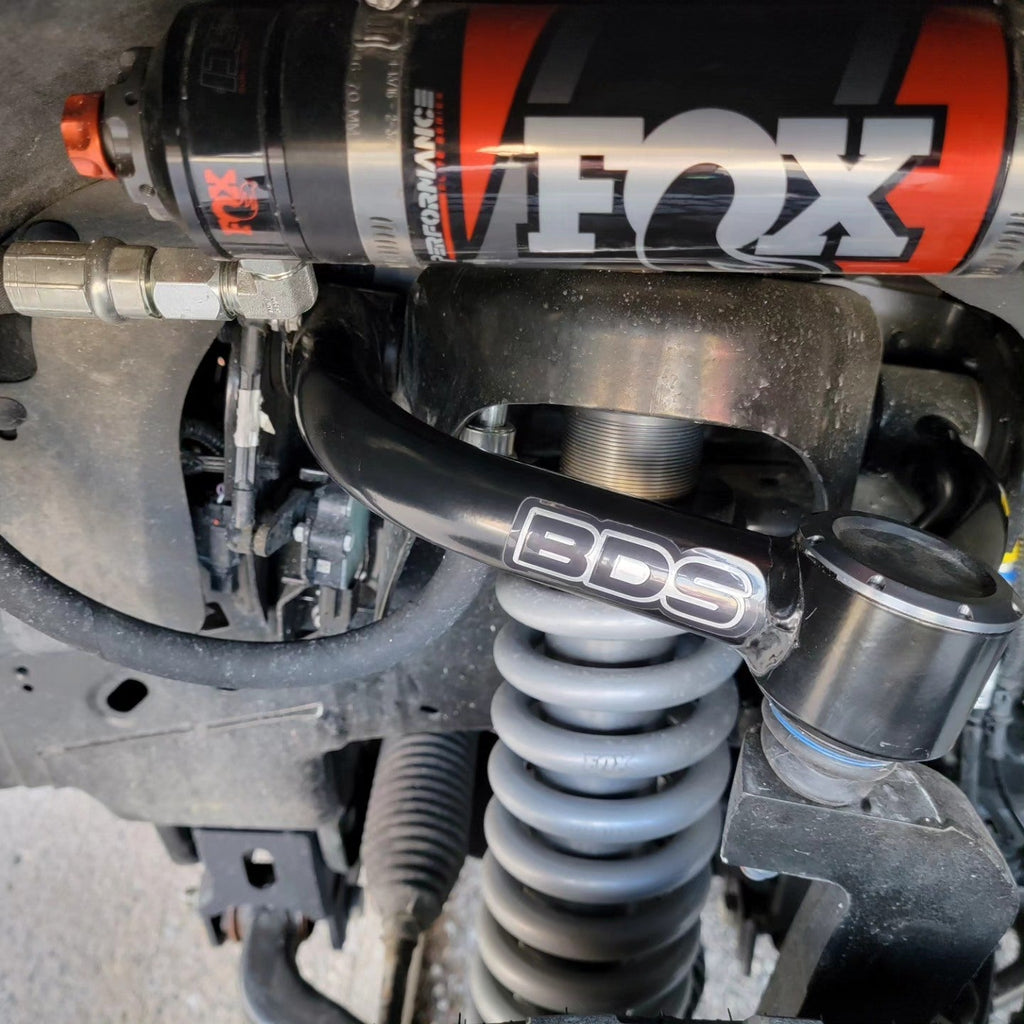
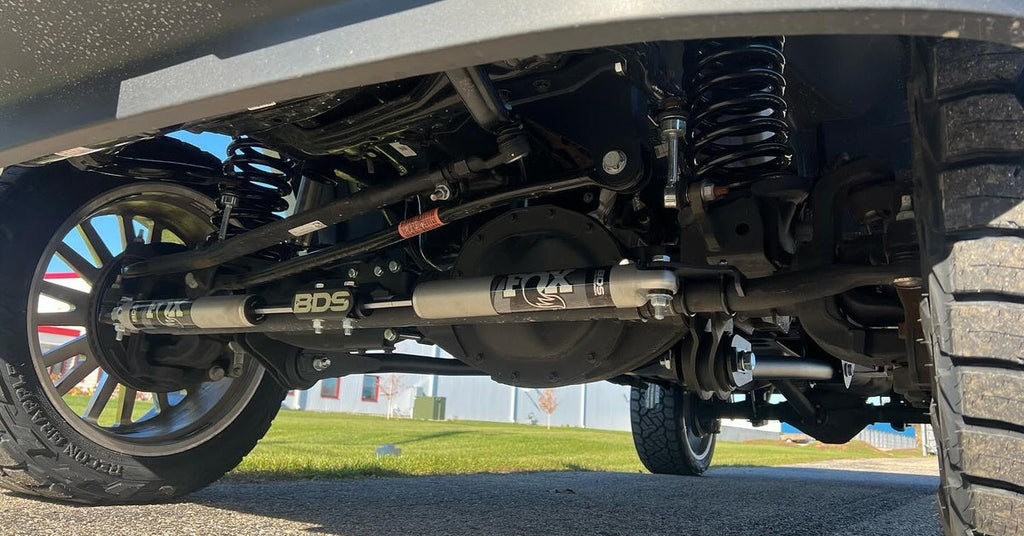
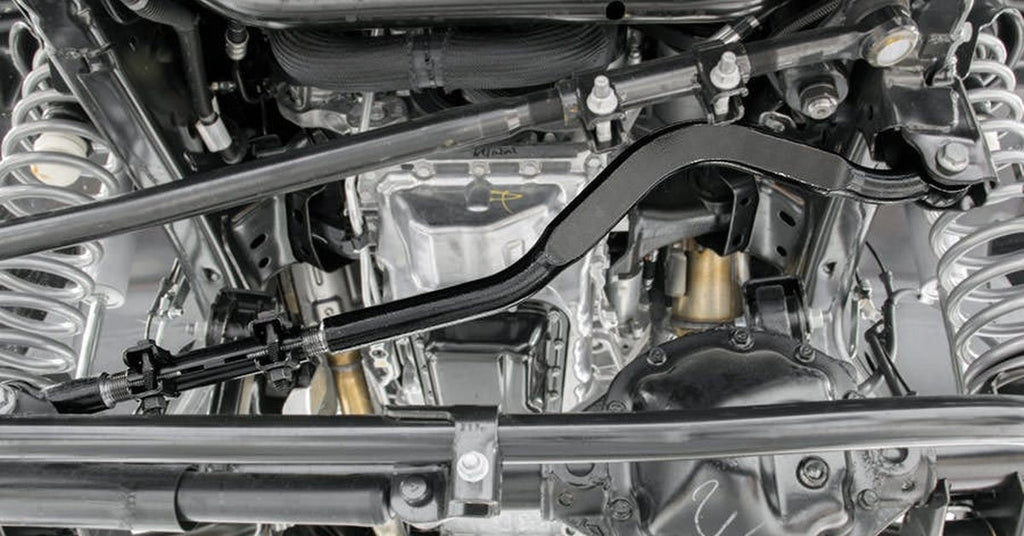
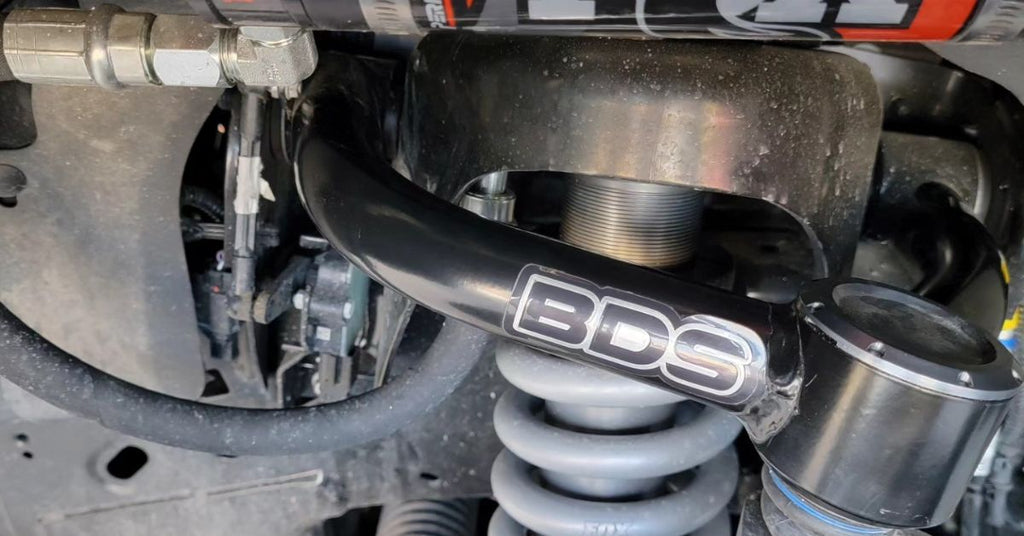
Modifying your suspension or installing oversized tires may be part of your dream build, but Florida sets specific limits for on-road legality. Lifted vehicles must follow bumper height limits based on their gross vehicle weight rating (GVWR). For example, trucks weighing under 2,000 pounds must have front bumpers no higher than 24 inches and rear bumpers no higher than 26 inches. Larger vehicles have slightly higher allowances, but anything beyond that could raise legal issues on public roads.
Additionally, your tires can’t extend past the fender without proper mudguards or flares. Florida’s fender coverage laws are in place to protect other drivers from debris and spray, and automobiles without them may not pass inspection.
Check the Florida Highway Safety and Motor Vehicles (FLHSMV) guidelines and your local county ordinances before upgrading your suspension or swapping in a new wheelset.
Lighting and Electrical Modifications
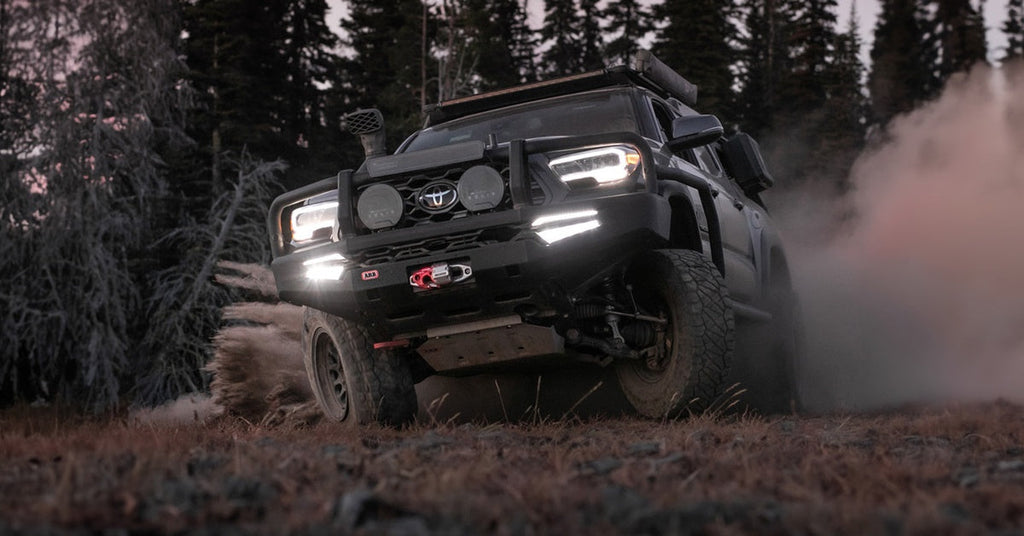
Additional lighting can be essential for trail visibility, but on public roads, not all light setups are street-legal. Florida law requires all motor vehicles to have at least two headlights, which must be white.
State law prohibits blue or red lighting, as these colors are for emergency vehicles only. You must switch off light bars when driving on highways, and they must not blind or distract oncoming traffic.
If you plan on installing underglow kits, roof-mounted LEDs, or strobe lights, double-check whether those additions comply with Florida’s statutes. Improper lighting configurations can lead to tickets or safety violations.
Use covered switches and always include a way to turn off the system when back on the road when wiring auxiliary lighting.
Bumpers, Winches, and Exterior Accessories
Florida doesn’t just regulate what’s inside your vehicle; it also pays attention to what’s sticking out of it. Bumpers must meet minimum height and width requirements and must not feature sharp or protruding edges that could pose a safety risk. Brush guards and push bars are typically permissible, but oversized aftermarket bumpers may require inspection if they exceed standard dimensions.
Winches are often essential for overland travel, especially in muddy or sandy terrain. However, you must securely mount and not obstruct the vehicle’s license plate or lights. Roof racks, ladders, and fuel can holders are fair game, but anything that extends beyond the vehicle’s body may be subject to clearance rules or rear visibility restrictions.

Noise and Emissions Compliance
Upgrading an exhaust system is one of the most popular off-road modifications, but it’s also one of the most regulated. The Florida Statutes (316.272) prohibit any device that increases exhaust noise above factory levels. Straight pipes or cutouts are illegal on public roads, even if you only drive them occasionally.
Local noise ordinances also come into play, especially around state parks and residential areas. St. Johns County, which includes St. Augustine, enforces a 65 dB limit in residential zones between 10:00 p.m. and 7:00 a.m.
If your rig exceeds these ordinances, you risk citations. Choose a model that’s specifically rated as street-legal and double-check the decibel rating when replacing a muffler.
Safety Equipment Requirements
Some off-road areas and backcountry routes require safety gear beyond what’s standard. Seat belts are mandatory in most off-road vehicles in Florida. Also, fire extinguishers are mandatory for several designated off-road parks and recommended for any car running auxiliary power or winches.
Safety flags are necessary on dunes or in low-visibility areas, including private or state-managed parks. You’ll usually need a red or orange flag mounted at least eight feet from the ground.
Review posted signage and check park websites 48 hours in advance if your route crosses state lines or navigates through different management zones. You may also want to keep a first aid kit and reflective triangles onboard, as some sites will turn away unprepared vehicles.
Vehicle Registration and Inspection Requirements
It’s worth confirming that your modified rig is still legal to drive in Florida before you hit the road (or trail). Major modifications, such as lifts, suspension swaps, or engine upgrades, may require inspection at a DMV-approved facility. You might have to adjust your upgrades before your registration receives approval or renewal if your headlights don’t meet regulations or your frame height exceeds legal limits.
Florida doesn’t mandate annual inspections for most private vehicles, but modified vehicles flagged during enforcement stops may be subject to immediate review. Avoid headaches by keeping receipts for all major upgrades and asking your installer to document alignment settings, torque specs, or emissions compliance.
It’s also a good idea to recheck your VIN and weight class after a major build, as both can affect your registration category.
Working With Professionals
DIY builds might save money, but they can come at a legal cost if not done correctly. That’s why you must consider working with experienced installers to ensure the legal considerations and off-road regulations for planning an overland build.
Twisted Pro All-Terrain has helped countless drivers across St. Augustine build compliant, custom off-road vehicles that are ready for anything. We’ve got the parts, tools, and know-how to keep your build on the right side of the law, whether you need lift kits, lighting, bumpers, vehicle awnings, or drivetrain upgrades.
Start your legal, off-road build with Twisted Pro All-Terrain. Your rig will thank you.