Safety Considerations When Using a Rooftop Tent
Safety Considerations When Using a Rooftop Tent

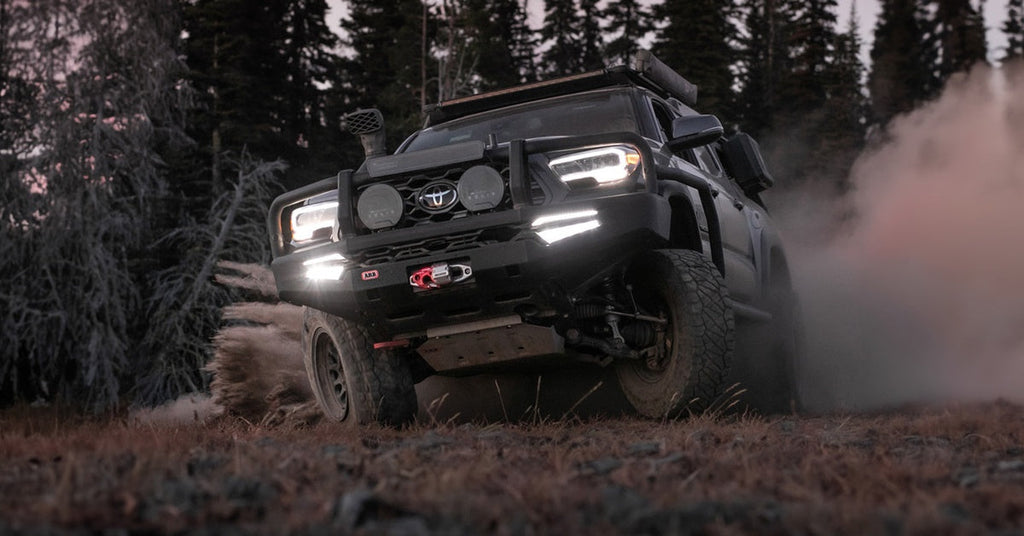
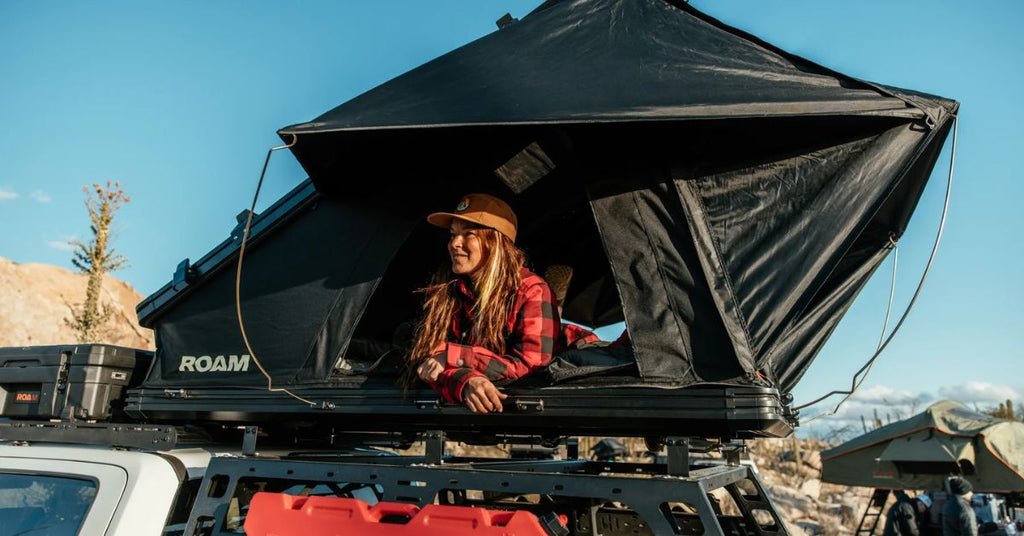
Have you ever seen those awesome rigs with tents on top parked at a scenic overlook or deep in the woods? Rooftop tents are the go-to gear for adventurers who want to camp in comfort and style. You can set up your camp in minutes, get a great view, and sleep soundly off the cold, uneven ground. It’s the kind of freedom that makes overlanding so appealing, turning any weekend into a potential adventure.
But before you climb up into your new sky-high bedroom, it’s smart to get familiar with the basics. Here are some safety considerations to keep in mind when using a rooftop tent that will make your experiences memorable for all the right reasons.
Check Your Vehicle’s Weight Limits
First, you should know two different weight ratings of your truck or SUV. The dynamic weight capacity tells you how much weight your vehicle’s roof can handle while you’re driving. The tent itself must weigh less than this number, which you can find in your owner’s manual.
The second rating is the static weight capacity, which is the total weight your roof can support when parked. This weight accounts for the tent, you, your family, and all your sleeping gear. While this number is always much higher than the dynamic rating, confirming your vehicle is a good match from the start is the most important safety check you can make.
Get the Installation Right
Mounting the tent correctly is a step that requires patience. Every rooftop tent comes with specific instructions for attaching it to a roof rack, so be sure to follow them carefully. A secure connection between your vehicle and the tent means it won’t shift or, worse, come loose while you’re cruising down the highway.
Before you head out on any trip, make it a habit to do a quick check. Give the mounting bolts and fasteners a once-over to tighten and secure them. A few minutes of preventative maintenance can save you a massive headache later.
Mind Your Vehicle’s Handling
When you add weight to the roof of your vehicle, it raises the center of gravity. This can change how your rig handles corners, windy days, or off-camber trails. Be aware when you drive with a rooftop tent and adjust accordingly to stay safe.
Take it a little slower on sharp turns and be more cautious in areas with uneven terrain. The change might be subtle, but it doesn’t take much to lose control. Travel safely to your campsite, even when you’re loaded up for a solo trip.

Understand Ladder Placement
The ladder is your bridge to your rooftop home, so treat it with respect. Always lock the ladder in place and position it on firm, level ground. Avoid setting it up on soft dirt, mud, or slick rocks where it could slip.
A stable ladder allows for safe entries and exits, especially for late-night bathroom runs or when helping little ones get in and out. Giving the ladder a good, solid push before you put your full weight on it is a simple way to test its stability.
Be Prepared for Weather
A rooftop tent will keep you dry in light rain, but it’s not a bunker, which means heavy rain could affect your stay. Pay attention to the weather forecast before and during your trip. High winds and severe thunderstorms are particularly dangerous, putting stress on the tent fabric and mounting points.
If stormy weather is rolling in, it’s safer to pack the tent down. Always secure your rainfly and any guy lines properly to give your tent the best chance of standing strong against the elements. Proper ventilation is also important to reduce condensation and keep the inside from getting damp.
Practice Fire Safety
One of the most important things to remember is to never use an open flame inside your tent. That means no cooking, no candles, and no propane heaters. Tent material isn’t fire-resistant, and the enclosed space creates a serious risk of fire and carbon monoxide poisoning.
If you need to stay warm, stick to battery-powered heaters designed for tents or invest in a warmer sleeping bag. Keep all cooking and heat sources a safe and recommended distance away from your tent and vehicle.
Store Food Securely
One of the big perks of being off the ground is avoiding most critters. That doesn’t mean you can leave food out, though. Animals have great noses and can still track your campsite, which is the last thing you want to deal with in the middle of the night.
Store all your food, coolers, and trash in your locked vehicle or in a bear-safe container away from your sleeping area, and typically up very high in a tree. This simple, safe camping practice keeps wildlife away from your campsite.
Know Your Exits
Familiarize yourself with how to open the tent’s windows and doors from the inside before zipping yourself in. These small details keep you safe in an emergency.
Practice getting out quickly so you know what to do while an emergency is taking place. If you have others with you, show them how to operate the zippers too, and have them also practice exiting the tent in case of emergencies.

Perform Regular Maintenance
Periodically inspect the tent fabric for tears, check that the zippers move smoothly, and examine the mounting hardware for any signs of wear, damage, or rust.
Catching a small issue early prevents it from becoming a major problem on the trail. A well-maintained tent is a reliable tent, ready for whatever camping adventure you throw at it next.
Final Thoughts on Rooftop Tent Safety
Rooftop tents are an incredible way to explore, but doing so safely makes it all even better. Preparing a trail-ready rig is about having the right overlanding gear and the knowledge to use it, so remember all these safety considerations when using a rooftop tent.
Get your vehicle set up for its next adventure by swinging by Twisted Pro All-Terrain. We’ll walk you through your options for vehicle roof racks, tents, and everything else you need, with no pressure and no sales pitches—just honest advice from folks who love this stuff as much as you do.