Signs Your Suspension System Needs an Upgrade
Signs Your Suspension System Needs an Upgrade

Hitting the trail in your 4x4 is an unmatched experience, but the rough terrain puts immense stress on your vehicle's components. Your suspension system takes the brunt of this abuse, and it will wear out or may no longer meet your off-roading demands. Recognizing the signs your suspension system needs an upgrade can maintain performance, safety, and control when you venture off the beaten path.
A Rougher Ride Than Usual
When you first got your rig, it probably handled bumps with relative ease, but now you feel every single rock and rut in your spine. A noticeably rougher ride is a classic indicator that your shocks or struts are failing to absorb impacts effectively. This constant jarring makes your ride uncomfortable and puts additional strain on other vehicle components.
If your daily drive starts to feel like a hardcore trail run, it's time to pay attention. Your suspension should keep your tires connected to the ground while smoothing out the ride. When it fails, you lose both comfort and a degree of control, which is dangerous on unpredictable surfaces.

Excessive Body Roll on Turns
Taking a corner on the pavement or leaning into an off-camber trail section shouldn't feel like your truck is about to tip over. If you notice significant body roll, where the vehicle's body leans heavily to the outside of a turn, your suspension is struggling. This points to worn-out shocks, struts, or sway bar components that are no longer able to manage the vehicle's weight transfer.
This lack of stability is unsettling on the road and a serious hazard off-road. A healthy suspension keeps your vehicle level and planted, providing you with the confidence to tackle turns and uneven terrain. Ignoring excessive body roll compromises your rig’s handling dynamics and your safety.
Nose Diving When You Brake
When you hit the brakes, does the front end of your truck dip sharply forward? This "nose dive" is a tell-tale sign that your front suspension components have worn out. Your shocks and springs are responsible for managing the forward weight transfer that occurs during braking, and when they are weak, they can no longer do their job properly.
This issue can increase your stopping distance, as the rear wheels can lose traction. On a steep descent or during an emergency stop on a loose surface, this can have serious consequences. Proper suspension performance keeps your vehicle stable and balanced, even under hard braking.
Uneven or Rapid Tire Wear
Your tires can tell you a lot about the health of your suspension. Take a close look at the tread; are you seeing uneven wear patterns like cupping, scalloping, or excessive wear on one edge? Suspension systems that can no longer hold the proper wheel alignment can cause issues like this.
Worn-out ball joints, control arm bushings, and other components can also cause the tire to wobble or sit at an incorrect angle. This destroys your tires prematurely and indicates a bigger problem that affects your vehicle’s handling. Addressing the root suspension problem will save you money on tires and restore your rig's stability.
Drifting or Pulling While Driving
While driving on a straight path, you shouldn't have to constantly fight the steering wheel to keep your vehicle from pulling to one side. This drifting is a symptom of suspension or alignment issues. This issue may be from a worn-out control arm bushing to a weak spring on one side of the vehicle.
Constantly needing to correct your steering is annoying and fatiguing on longer drives or technical trails. A vehicle that tracks straight and true is a sign of a well-maintained suspension system. If your rig has developed a mind of its own, it’s time for a thorough inspection of the undercarriage.
Ball Joint Failure
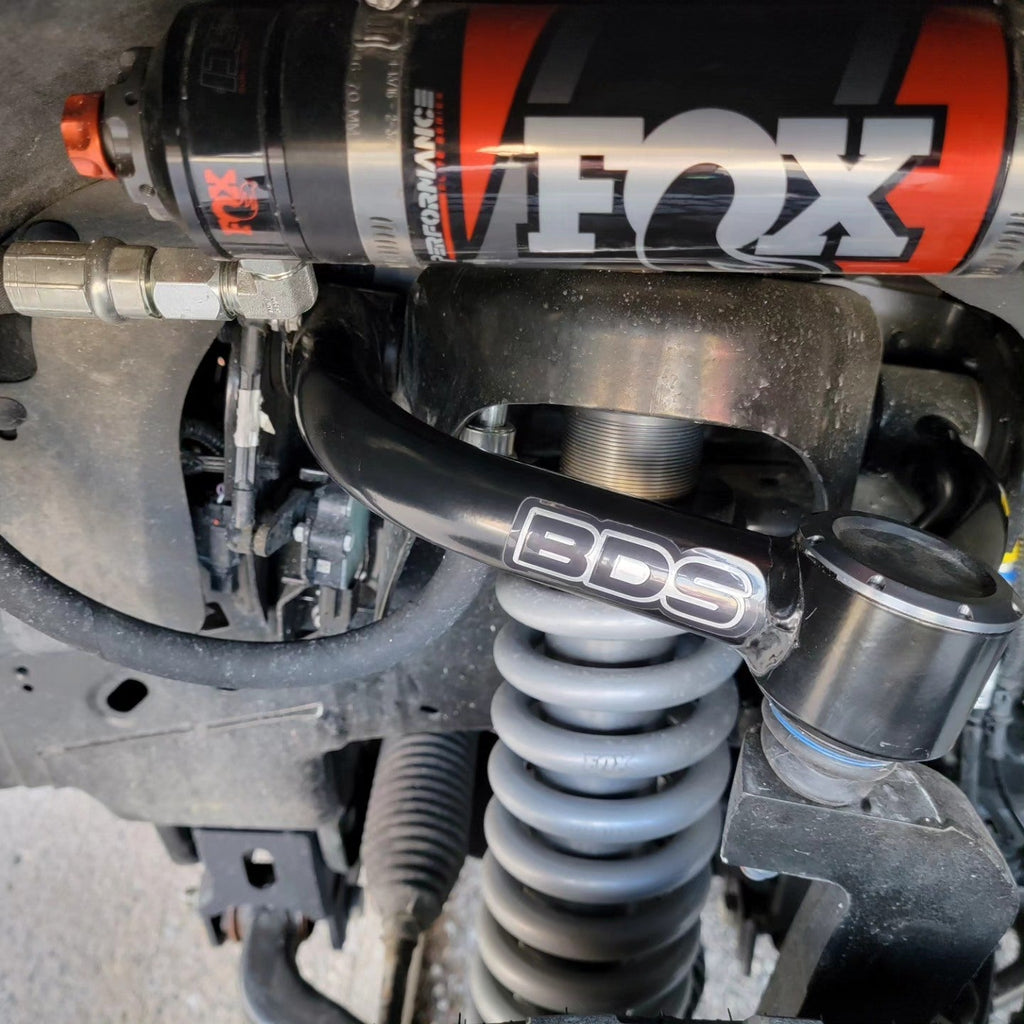
Worn ball joints are a frequent culprit behind steering wander and clunking noises. These components connect your steering knuckles to the control arms, allowing for smooth articulation. When they wear out, they introduce excessive play that translates directly to sloppy steering.
Bushing Degradation
Another common issue is the degradation of rubber or polyurethane bushings. These small parts absorb vibrations and allow suspension components to pivot without metal-on-metal contact. Over time, they crack, dry out, and fail, leading to noise, poor alignment, and a general loss of handling precision.
Noticeable Clunking and Knocking Noises
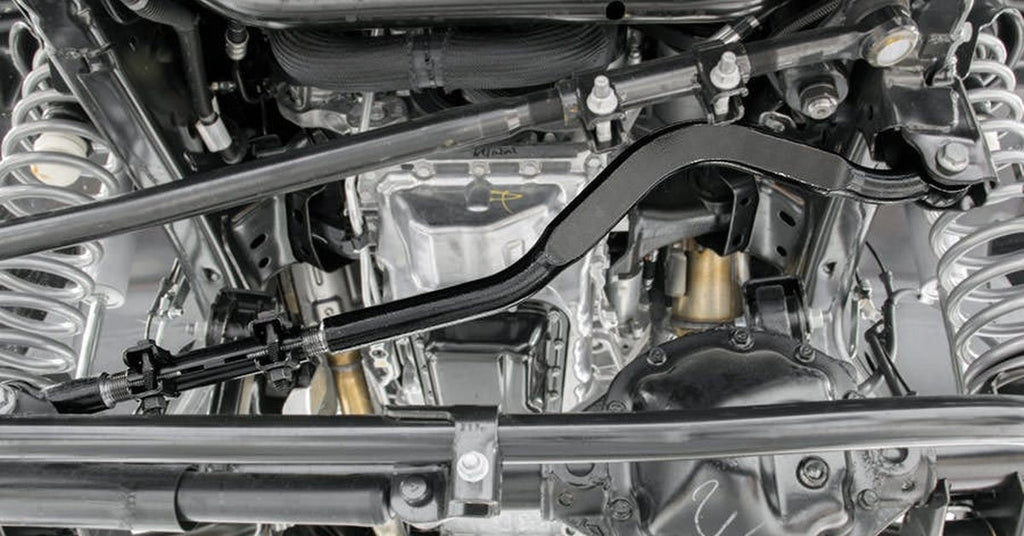
Strange noises coming from underneath your vehicle are its way of screaming for help. If you hear clunking, popping, or knocking sounds when you drive over bumps or navigate uneven terrain, it's a clear signal that something is loose or worn out. These sounds come from worn ball joints, sway bar links, or control arm bushings.
Ignoring these auditory warnings is a bad idea, as a minor clunk can quickly turn into a major component failure. Tracking down the source of the noise can prevent a potential breakdown on the trail. A quiet, solid-feeling suspension and vehicle inspires confidence when you're far from civilization and help.
Vehicle Sits Lower or Unevenly
Take a look at your truck when it's parked on level ground. Does one corner sag lower than the others, or does the entire vehicle seem to sit lower? A sagging suspension is a clear sign of worn-out or broken coil springs or leaf springs.
Springs are responsible for supporting the vehicle's entire weight, and they can lose their height and strength. This looks bad, reduces your ground clearance, suspension travel, and limits your off-road capability. Upgrading them can restore your rig's stance and performance.

Compromised Handling and Steering
Ultimately, your connection to the trail is through your steering wheel. If your truck feels less responsive, wanders in its lane, or just doesn't feel as "tight" as it once did, your suspension is likely the cause. Worn components introduce slop into the system, creating a disconnect between your inputs and the vehicle's reaction.
This can make it difficult to place your tires precisely on a technical obstacle or react quickly to changing conditions. Upgrading worn parts can restore that crisp, direct handling feel. For those looking to improve clearance and performance, high-quality truck lift kits include new components that sharpen handling.
Your Next Step Toward Peak Performance
As you push your 4x4 to its limits, recognizing the signs your suspension system needs an upgrade keeps you safe and capable on any terrain. A worn-out system compromises control, comfort, and confidence when you need them most. Don't let failing components hold you back from your next adventure.
When you're ready to change your ride, explore the full lineup of suspension solutions from Twisted Pro All-Terrain. Our expertly engineered systems can conquer the toughest trails and provide the durability and performance you demand. Visit us today to find the perfect upgrade and get your rig ready for whatever lies ahead.