How To Properly Maintain Your Suspension Lift Kit
How To Properly Maintain Your Suspension Lift Kit

You took the plunge and got that suspension lift kit you’ve been dreaming about. Your truck or Jeep is now a towering beast, and you're feeling on top of the world, ready to conquer any trail, mud pit, or sandy path in sight. There’s no denying the satisfaction that comes from your new level of freedom and capability.
But before you get completely lost in daydreams of endless off-road adventures, let's have a quick chat about the responsibilities that come with that extra height. It changes how your vehicle drives, handles, and, most importantly, how you need to care for it. Proper maintenance keeps your ride performing at its peak, staying safe, and ready for whatever you throw at it. Let's explore how to properly maintain your suspension lift kit without it feeling like a chore.
The Post-Install Reality Check
Let's begin right after the installation. You might feel tempted to drive off into the sunset and never look back, but there is a period immediately following the install where suspension components settle. Metal adjusts, rubber compresses, and torqued bolts can loosen as your vehicle adapts to its new stance.
Re-Torque Check
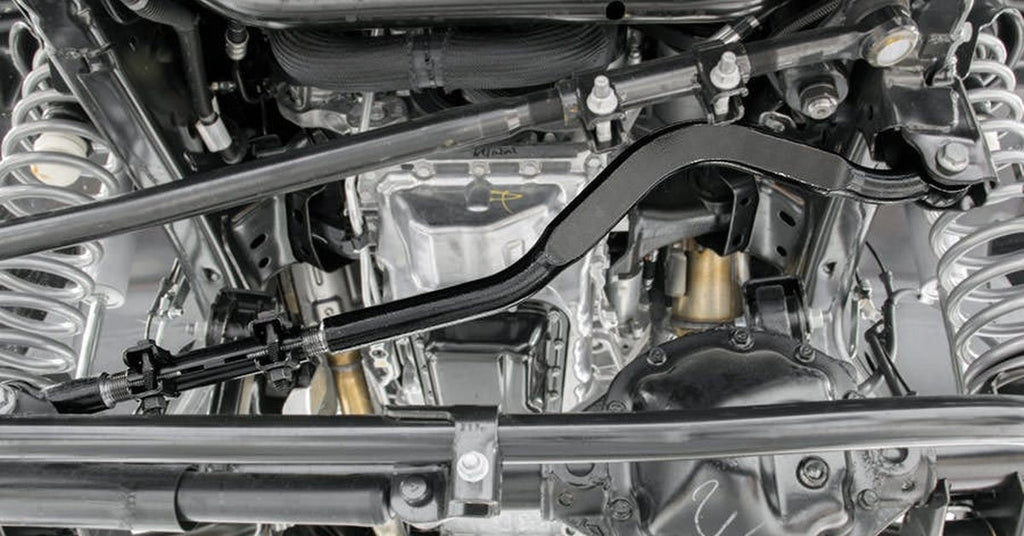
You must perform a re-torque check after the first 500 miles. You can grab a torque wrench and get underneath your rig to check every single bolt and fastener touched during the installation. U-bolts or control arm bolts can loosen after just a few trips to the store or a weekend on the trails.
Skipping this step is inviting problems such as death wobbles, strange clunking noises, or even dangerous component failures. Put on some tunes, grab a cold drink, and give your suspension a little extra attention.

Washing Away the Trail
We all love the look of a truck caked in mud; we wear it like a badge of honor, proving that you actually use your 4x4 for its intended purpose. However, leaving that mud on your undercarriage is one of the worst things you can do for your suspension. Mud traps moisture against metal, and that moisture will create rust. Worse yet, abrasive grit and sand work their way into moving parts, acting like sandpaper on your bushings, seals, and joints.
Beware of High-Pressure Washers
Develop the habit of thoroughly washing your undercarriage after every off-road adventure. Don't worry about a professional detail on your vehicle, since a simple garden hose with a decent nozzle can do the trick.
Be cautious of high-pressure washers, though. While effective at removing stubborn mud from the frame, a high-pressure jet aimed at a seal or rubber boot can force water and grit inside the component. Once water contaminates a sealed joint, the grease washes out, friction takes over, and your expensive parts will start to wear out rapidly.
Grease is Your Best Friend
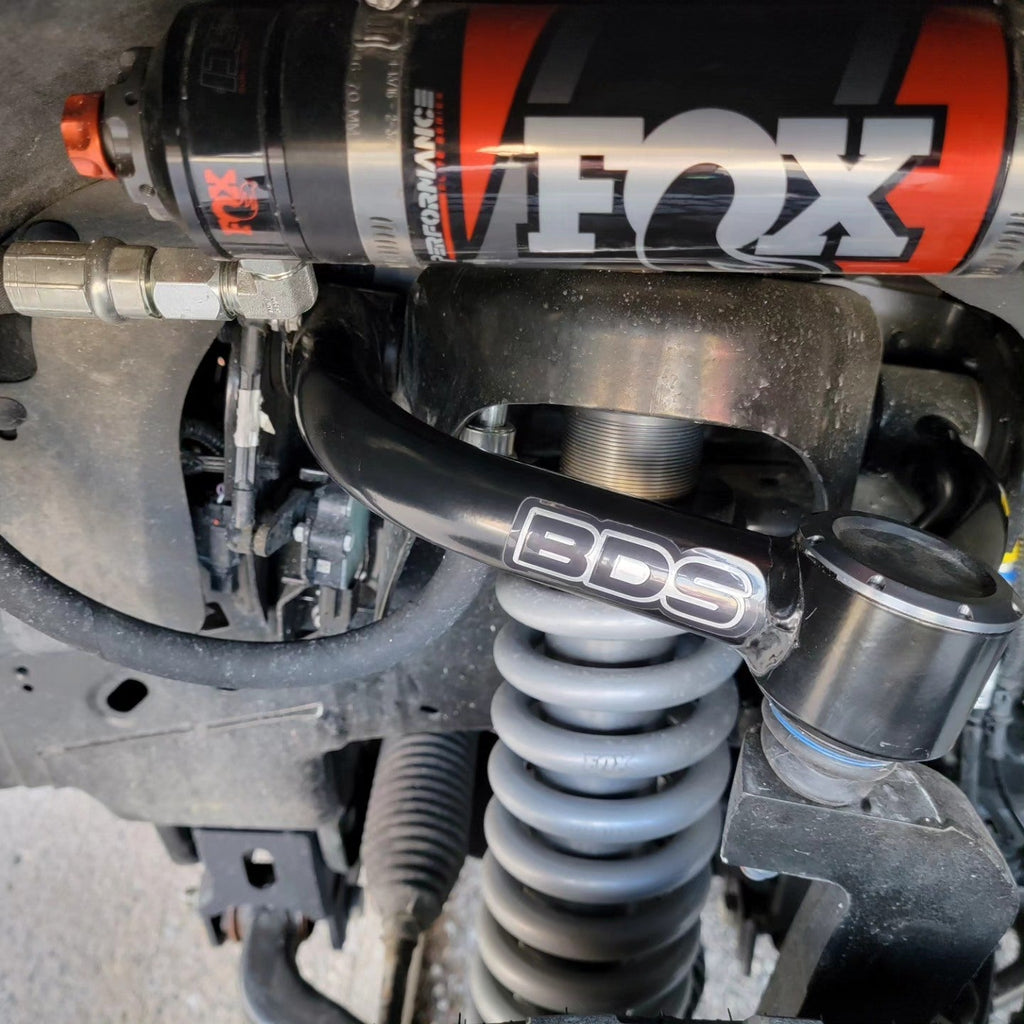
Speaking of friction, let’s discuss lubrication. A lifted suspension introduces new angles and stresses that the factory never anticipated. To handle this, many aftermarket components, such as control arms and ball joints, come equipped with grease fittings, also known as Zerk fittings. These small access points can contribute to the longevity of your kit.
How To Grease Components
You should own a grease gun and know how to use it. Make it a habit to lubricate these fittings every time you change your oil with a grease gun that you know how to use. Pump fresh grease in until you see the old, dirty grease being pushed out or until the boot swells slightly. This process flushes out contaminants and allows a fresh layer of lubrication to protect the metal surfaces.
If your kit uses polyurethane bushings, they are particularly known for squeaking when they run dry. A dry bushing can create heat and lead to premature failure.
Keep an Eye on Your Shocks and Alignment
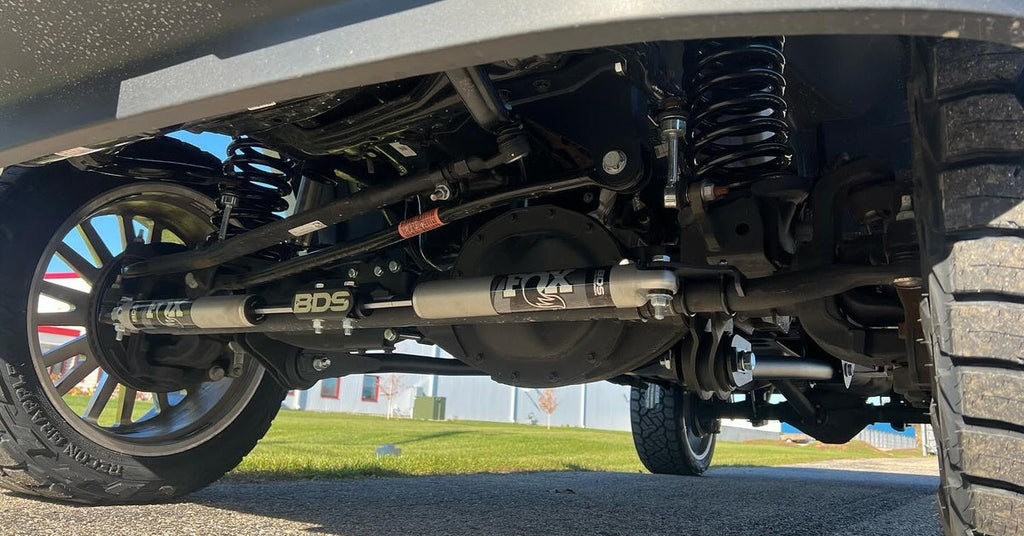
Your shocks are the unsung heroes of your ride quality, absorbing impacts so your body doesn't have to. On a lifted vehicle, shocks work harder and at different angles, so you need to inspect them regularly for signs of trouble.
Oil Leaks and Shocks
The most obvious sign of failure is an oil leak. If you see fluid coating the body of the shock, the seal is failing. Also, check for dents on the shock body, as damage can restrict the piston's movement inside. If your truck feels excessively bouncy or dives hard when braking, your shocks are likely worn out.
Wheel Alignment
A lift kit also alters your vehicle’s suspension geometry, so a proper wheel alignment is necessary. It ensures your caster, camber, and toe angles are within spec, preventing erratic steering and premature tire wear. Look at your tires regularly, and if you notice uneven wear patterns, this is a clear sign of an issue. Pay attention to these parts since an alignment check is much cheaper than a new set of tires.

Bushings, Brake Lines, and Knowing When To Get Help
While you're under your rig, take a look at the rubber or polyurethane bushings. Over time, they can crack and deteriorate from movement and absorbing vibrations. If you see signs of wear, replace them to prevent slop in your steering and handling. Also, inspect your brake lines and make sure they have enough slack at full flex. If they seem tight, invest in extended brake lines.
Consult the Experts When You Need It
We know the do-it-yourself spirit is strong in the off-road community. However, there's no shame in admitting when a problem is beyond your skills or requires special tools. Suspension work can be complex, and chasing down a persistent vibration or wobble sometimes needs an expert eye. If you're stumped, taking your vehicle to a reputable off-road suspension shop is a smart move. Professionals have the alignment racks and experience to diagnose issues you might miss.
Final Thoughts
Maintaining your suspension lift kit is about keeping components clean, lubricated, and properly tightened. You protect your investment and, more importantly, you are safer on every adventure. Don't let a simple maintenance task turn into a major problem that ruins your weekend. Take care of your rig, and it will take care of you.
If you're ready to take your ride to the next level or need a professional inspection, the team at Twisted Pro All-Terrain is here to help. We live and breathe off-road performance. Stop by our shop or give us a call today to get your vehicle dialed in and ready for the trail!