Bed Racks & 4X4 Vehicle Stability: Weight Distribution Tips
Bed Racks & 4X4 Vehicle Stability: Weight Distribution Tips

So, you've kitted out your 4x4, slapped on a new bed rack, and you're ready to leave the pavement behind. Before you load up and head out, let's talk about something that can make or break your adventure: weight distribution.
It might not sound as exciting as picking out new tires, but getting your weight balance right keeps your rig stable, safe, and performing at its best. An improperly loaded truck can feel tippy, handle poorly, and put unnecessary stress on your vehicle's components. This guide will walk you through weight distribution tips for bed racks and 4X4 stability.
Know Your Numbers: The Weight Game
Before you even think about strapping down that first cooler, you need to understand your truck's limits. Every vehicle has specific weight ratings that you absolutely cannot ignore. Pushing past these limits is a recipe for disaster, risking everything from component failure to a dangerous loss of control on the trail.
Check the Door Jamb Sticker
Your vehicle's door jamb is like its birth certificate—it tells you everything you need to know. Look for the Gross Vehicle Weight Rating (GVWR), which is the maximum total weight your vehicle can safely be, including the truck itself, all your gear, fuel, and passengers. You'll also find the Payload Capacity, which tells you how much weight you can carry in your cab and bed. This number includes your bed rack, rooftop tent, recovery gear, and everything else you pile on.
Also, pay close attention to the Gross Axle Weight Rating (GAWR). This specifies the maximum weight that you can place on your front and rear axles individually. Overloading one axle can lead to poor steering, braking issues, and excessive wear. Grab a calculator and do some quick math. Subtract your truck's curb weight (its weight when empty) from the GVWR to find your true payload capacity, and remember to account for the weight of you and your passengers, too.
The Golden Rules of Loading Your Rack

Once you know your limits, it's time to start loading. The goal is to maintain a low and centered center of gravity. A high center of gravity makes a vehicle feel top-heavy and increases the risk of a rollover, especially on off-camber trails.
Heavy and Low, Light and High
This is the most important mantra to remember. Place your heaviest gear, such as full water jugs, heavy recovery equipment, tool kits, and packed coolers, as low as possible in the truck bed. If you must put them on the rack, position them as close to the cab and as low on the rack as you can. This keeps the center of gravity down where you want it.
But sleeping bags, camp chairs, clothing bags, and other bulky but lightweight items are perfect for placing higher up on the rack or further toward the tailgate. Think of your truck like a pyramid. You want a wide, heavy base and a light, narrow top. This simple principle dramatically improves stability and makes your vehicle feel much more planted on uneven ground.
Balancing Act: Front-to-Back and Side-to-Side
You also need to think about how the weight shifts from front to back and from one side to the other.
Front-to-Rear Balance
An overloaded rear axle is a common mistake that can cause the front end to lift, leading to vague steering and reduced braking effectiveness. Ideally, you want to centralize the weight over or slightly in front of the rear axle. Placing your bed rack and the heaviest items on it closer to the cab helps achieve this. Avoid hanging a massive amount of weight off the back, as this can negatively affect your departure angle when navigating obstacles.
Side-to-Side Balance
Try to distribute weight evenly across the width of your truck. If you have a heavy water tank on one side, balance it with something of similar weight on the other. An imbalanced load can cause the vehicle to lean, which is unsettling on the highway and downright dangerous on an uneven trail. Take a step back and look at your truck from the rear. If it doesn't look level, take a few minutes to rearrange your gear.
Secure Your Gear Like a Pro

A shifting load is an unstable load. Every bump, turn, and incline on the trail will test how well you've secured your equipment. Loose gear can slide around, instantly changing your vehicle's balance and potentially causing you to lose control.
Use Quality Straps and Storage
Invest in good ratchet straps or cam buckle straps and secure every single item. Even if something is in a bin, strap the bin down. Give everything a good shake test before you hit the road; if it moves, tighten it down more. Hard-sided, weatherproof cases are also fantastic for organizing gear and keeping it secure.
When looking at different racks for truck beds, consider models that offer compatible mounting plates and accessories for these types of cases. They make securing your load much simpler and more effective.
Don't Forget Regular Checks
During your trip, especially after a rough section of trail, pull over and do a quick walk-around. Check that all your straps are still tight and that nothing has shifted.
Upgrades That Make a Difference
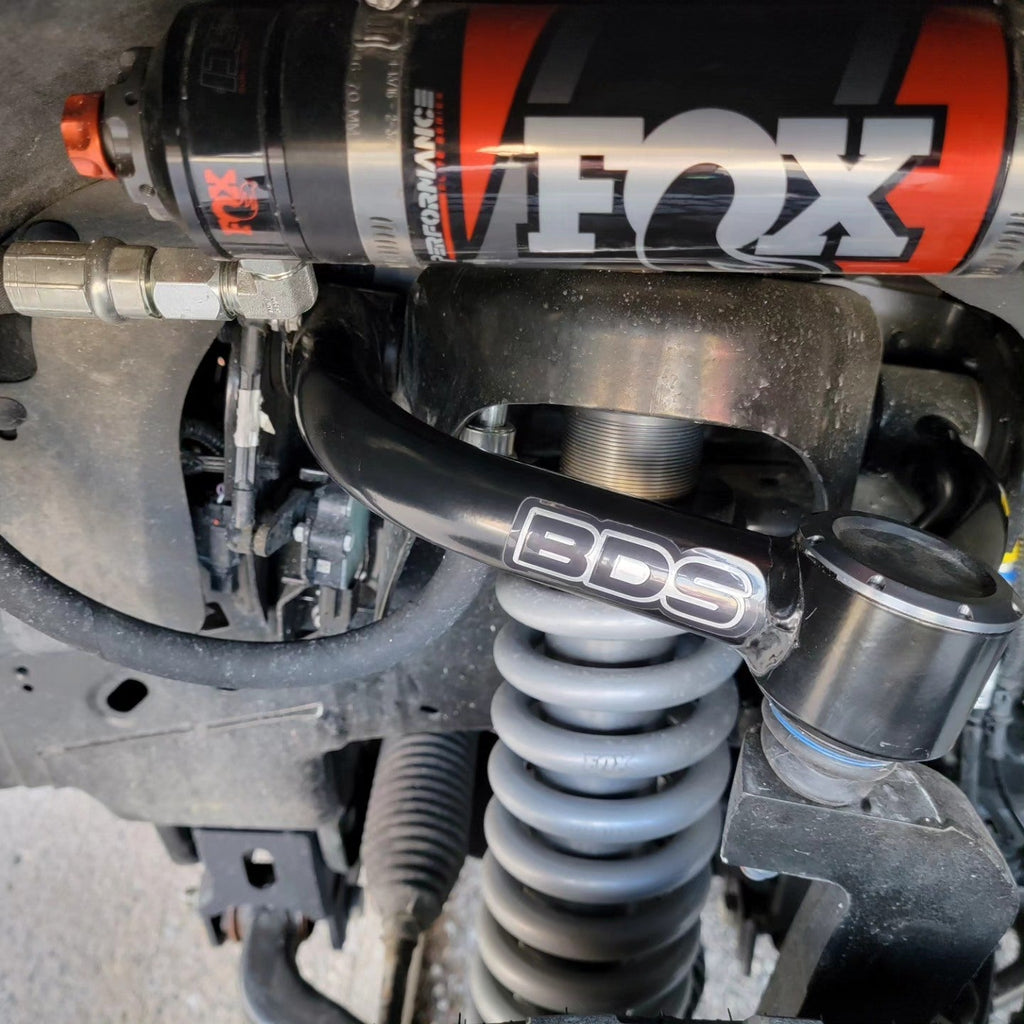
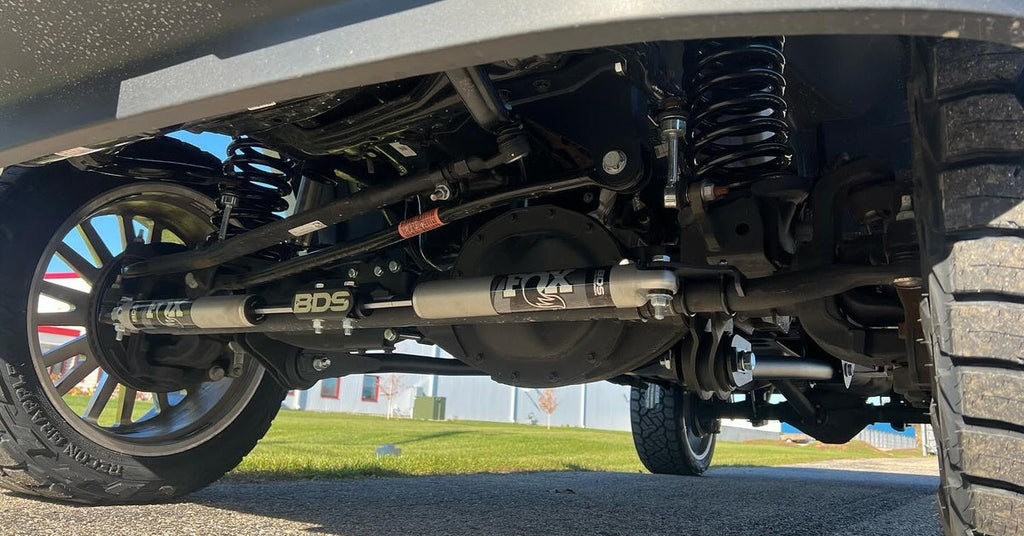
As you add weight to your 4x4, you're asking more from its stock components. If you plan on carrying heavy loads regularly, you should consider upgrading your suspension. Upgraded leaf springs, coil springs, or an airbag system in the rear can help manage the extra weight. This prevents your truck from sagging, restores proper handling characteristics, and improves the quality of your ride both on and off the road.
Proper tire pressure is another important adjustment that you should match to your load. Consult your vehicle's manual or the tire manufacturer's recommendations. Proper inflation keeps the wear even and provides optimal stability and traction. These upgrades enhance safety, giving you peace of mind on challenging terrain.
Your Adventure Awaits
Use these weight distribution tips for bed racks and 4X4 vehicle stability for a stress-free off-road experience. It keeps you, your passengers, and your vehicle safe, allowing you to explore with ease. Taking the time to plan your load and secure it properly is one of the most important skills a new off-roader can develop.
Build the ultimate rig for your next adventure at Twisted Pro All-Terrain. We live and breathe off-roading, with our expertise and the gear to help you set up your 4x4, you’ll get maximum performance and stability. Explore our range of bed racks and accessories today and get ready to conquer any trail.