
Common Off-Roading Mistakes and How To Avoid Them
Common Off-Roading Mistakes and How To Avoid Them

Whether you’re tackling sandy dunes, rocky trails, or muddy paths, off-roading can bring exhilaration and joy like no other hobby. But while the thrill of adventure is undeniable, many off-roaders, particularly beginners, make critical mistakes that can transform their trip from an exciting escapade to a frustrating ordeal. This guide outlines the most common off-roading mistakes to avoid and offers practical solutions to help you stay safe and maximize your experience.
Insufficient Vehicle Preparation
One of the most common off-roading errors is failing to prepare your vehicle adequately. Off-road terrains push vehicles to their limits, and even the sturdiest 4x4s may require attention before heading out.
Before your trip, inspect your vehicle thoroughly. Check the tires for damage and proper tread depth, test the brakes, and ensure fluids such as oil, coolant, and brake fluid are at optimal levels.
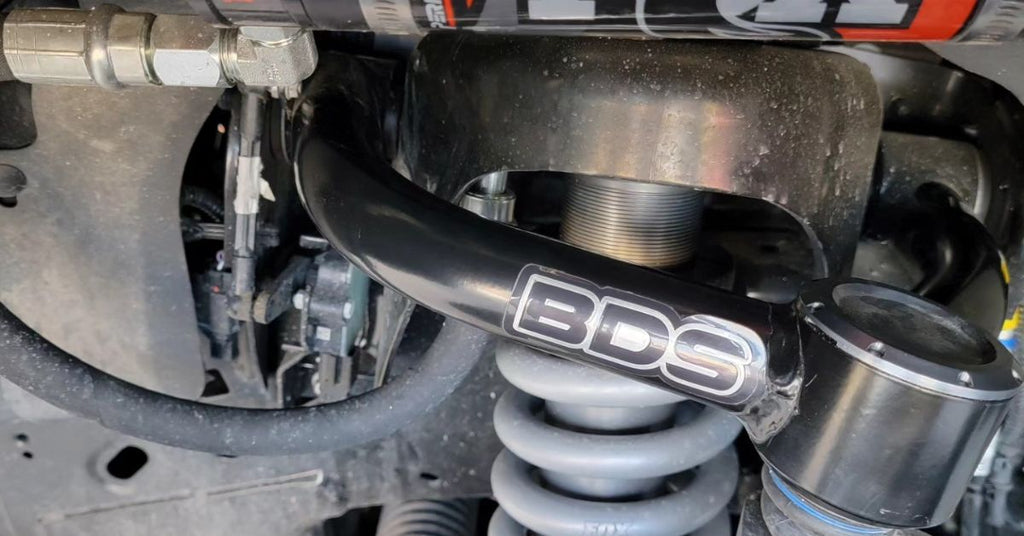
Don’t forget to double-check essential components such as the battery, axles, and suspension. Regular maintenance and timely repairs prevent breakdowns when you’re miles from civilization.
Inadequate Knowledge of Terrain
Heading out without understanding the trail is a surefire way to end up lost, stuck, or worse. Different terrains have unique challenges, and underestimating them can lead to trouble.
Research the area you’re heading to. Study maps or online resources to identify potential obstacles like steep inclines, water crossings, or soft sand. If possible, scout the terrain ahead of time or look up videos online. Knowing what lies ahead can help you choose the right driving techniques and equipment for the adventure.
Improper Tire Inflation
Tire pressure plays a critical role in off-roading, and many enthusiasts mistakenly ignore it. Incorrect tire inflation can lead to poor traction, damaged tires, or reduced vehicle performance.
Adjust your tire pressure according to the terrain. For rocky trails, lower the tire pressure slightly to improve traction and absorb shocks. On sandy or muddy surfaces, deflating tires further helps distribute the vehicle’s weight evenly, reducing your chances of getting stuck. Just remember to reinflate your tires before heading back onto paved roads. For this reason, it can be a good idea to bring along a tire pressure reader and pump.
Overconfidence and Reckless Driving
Overconfidence, often fueled by adrenaline, is a common culprit in off-roading mishaps. Reckless driving behaviors like speeding, aggressive turning, or ignoring basic safety precautions can lead to accidents. No matter how skilled you are, the unpredictable nature of off-roading requires caution.
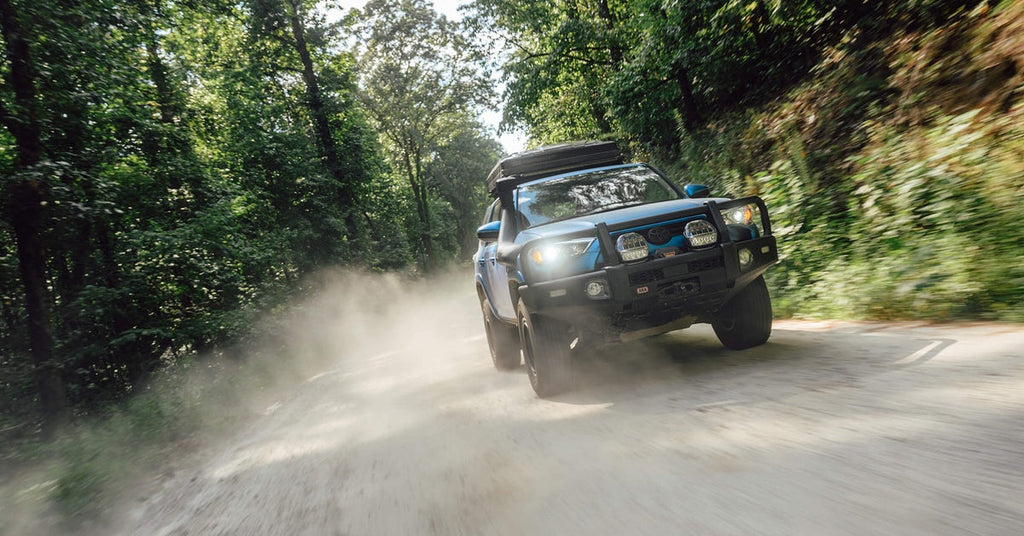
Driving too fast is one of the most dangerous decisions you can make while off-roading and can often lead to vehicle damage or getting stuck. Stick to speeds appropriate for the trail and respect your vehicle’s limits. If you encounter challenging sections, don’t rush. Take your time and assess the safest way through.

Lack of Essential Recovery Gear
Despite your best efforts, getting stuck is almost inevitable when off-roading, so not carrying the right recovery tools is a rookie mistake. Waiting hours for outside help is no fun, especially if you could’ve resolved the issue yourself.
Always pack essential recovery gear, such as a winch, tow straps, a shovel, and traction boards and learn how to use these tools effectively. Practicing in a safe environment before you’re in a real-life scenario can build confidence and save time when you need it most.
Ignoring Environmental Impact
Off-roading in pristine nature can impact the environment if you do so irresponsibly. Ignoring your trail’s guidelines or driving off designated areas can harm ecosystems and disrupt wildlife.
Follow the Tread Lightly principles by staying on marked paths, avoiding vegetation, and not disturbing local wildlife. Always pack up your trash and leave the trail as you found it to ensure it remains accessible for future adventurers.
Not Checking Weather or Trail Conditions
Failing to check the weather or trail updates before heading out can put you in dangerous situations. Rain can turn a passable trail into a muddy mess, while sudden snow can lead to limited visibility and tricky navigation.
Before you go, browse weather reports and trail conditions. Many parks and off-roading areas provide regular updates on trail safety. Adjust your route or reschedule if conditions seem too risky.
Not Using the Buddy System or Keeping Others Informed
Solo off-roading can be tempting, but it’s inherently risky. A single mistake, like getting stuck or injured, can escalate without someone nearby to assist you. Always use the buddy system and ride with at least one other vehicle. This ensures you have help available if something goes wrong.
If riding solo is unavoidable, inform someone about your plans, including your intended route and expected return time. Carrying a GPS device with emergency communication capabilities is also crucial.
Over- or Under-Packing
Packing might seem straightforward, but bringing too much or too little can turn your trip into a disaster. Overpacking clutters your vehicle and adds unnecessary weight, while under-packing leaves you unprepared for potential challenges.
Plan efficiently and pack only the essentials. This includes food, water, recovery gear, first-aid kits, navigation tools, and basic tools for repairs. Tailor your packing list to the trip length and expected terrain to avoid being caught without your essentials.
Finally, pack essential tools and spares, such as a tire repair kit, jumper cables, basic tools, and vehicle-specific items like fuses or belts, to handle minor mechanical issues during your adventure.
How To Prepare Your Vehicle to Avoid Mistakes
Before heading off-road, make sure your vehicle is ready for the trip. Top off essential fluids like engine oil, coolant, and brake fluid, and ensure your battery is fully charged with secure connections. Test all exterior lights, including headlights and brake lights, and verify that your recovery supplies are intact and easily accessible.
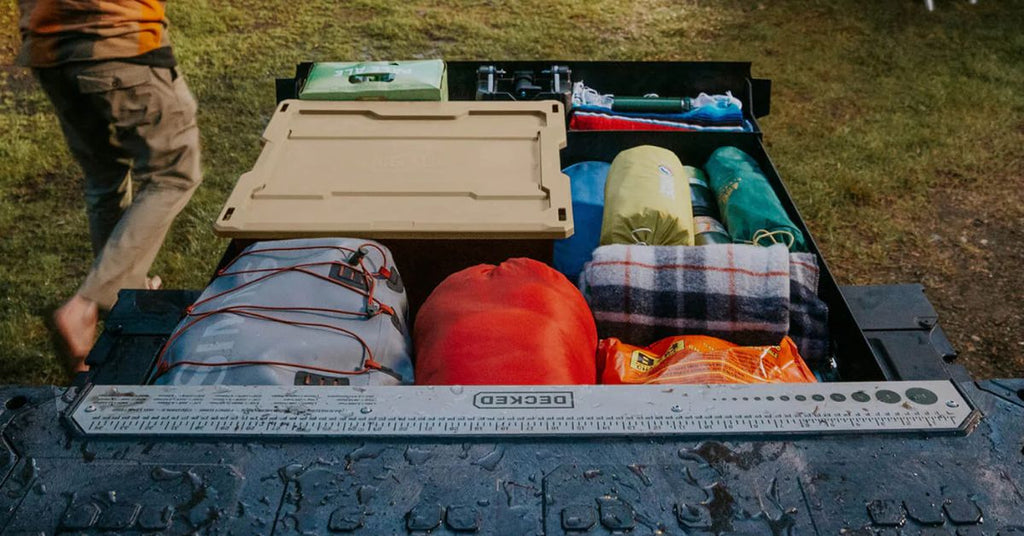
Secure all loose items inside and outside the vehicle to avoid damage or injury on bumpy trails. You may also want to consider investing in storage solutions to organize and better distribute your supplies.
Preparation is key to a successful off-roading adventure. At Twisted Pro All-Terrain, we specialize in vehicle modifications and off-roading gear to get your ride trail-ready. From heavy-duty tires to winches and skid plates, we’ve got everything you need for safer, smoother trips. Visit us today to explore our full range of products and services!

Drive Smart and Avoid These Off-Roading Mistakes
Off-roading is about more than conquering trails; it’s about enjoying the adventure and respecting all that comes with it. By avoiding these common off-roading mistakes, you’ll ensure your safety and the longevity of your vehicle and the preservation of the great outdoors.
Next time you’re gearing up for an off-road adventure, remember to prepare thoroughly, drive responsibly, and leave nothing behind but tire tracks. For expert advice, equipment, and modifications, don't hesitate to contact Twisted Pro All-Terrain.