
Sleep Tight: Rooftop Tents vs. Ground Tents
Sleep Tight: Rooftop Tents vs. Ground Tents

Camping enthusiasts face countless gear decisions, but one of the most important decisions they’ll make is choosing the right tent. Rooftop tents have gained serious traction among outdoor adventurers, seeing a particular surge in popularity over recent years. Meanwhile, ground tents remain the classic choice that many campers swear by.
The decision between these two camping shelters can make or break your outdoor experience. Your choice affects everything from setup time and comfort to budget and vehicle requirements. This comprehensive comparison of rooftop tents and ground tents will explore the differences, advantages, and drawbacks of each option, helping you make the best decision for your camping style.
Understanding Ground Tents
Ground tents offer the traditional camping experience that people are most familiar with. These portable shelters sit directly on the ground and rely on stakes, ropes, wires, and poles for structural support. They’ve been the go-to choice for generations of campers and continue to change with camping trends and materials.
Different Types of Traditional Tents
Dome tents feature a curved structure that sheds wind and rain effectively while maximizing interior space. Cabin tents provide maximum headroom and living space, making them ideal for family camping trips. These large shelters often include multiple rooms and can comfortably accommodate several people.
Backpacking tents prioritize weight savings and packability over spaciousness. They’re designed for hikers who need to carry their shelter on their backs for extended periods.
Advantages of Ground Tents
One of the biggest reasons campers will choose ground tents over rooftop options is their price point. Ground tents range widely in cost—you can find cheap options as low as $20. However, you get what you pay for with ground tents, and cheaper models, though accessible, don’t often provide adequate coverage, comfort, and durability.
Their setup flexibility allows you to pitch ground tents almost anywhere suitable terrain exists. You’re not limited by vehicle placement or parking constraints that affect rooftop tent users. Additionally, their lightweight options make ground tents ideal for backpacking and situations where every pound matters.

Disadvantages of Ground Tents
Ground tents can take significantly more time to set up than rooftop tents. Ground preparation requires clearing rocks, sticks, and debris before setup. You’ll also need to check for level ground and ensure proper drainage to avoid water pooling issues.
Setup time varies greatly depending on tent complexity and ground conditions. Even experienced campers may spend 15–30 minutes establishing a proper ground tent setup and even longer putting the tent together.
Additionally, weather vulnerability exposes ground tents to more moisture, mud, and temperature fluctuations. Sleeping on the cold ground can sap body heat, while rain can create muddy conditions around your shelter.
Finally, security concerns can also arise because ground tents offer easier access to wildlife and provide less protection from curious animals. Storage of gear and food requires extra precautions.
Understanding Rooftop Tents
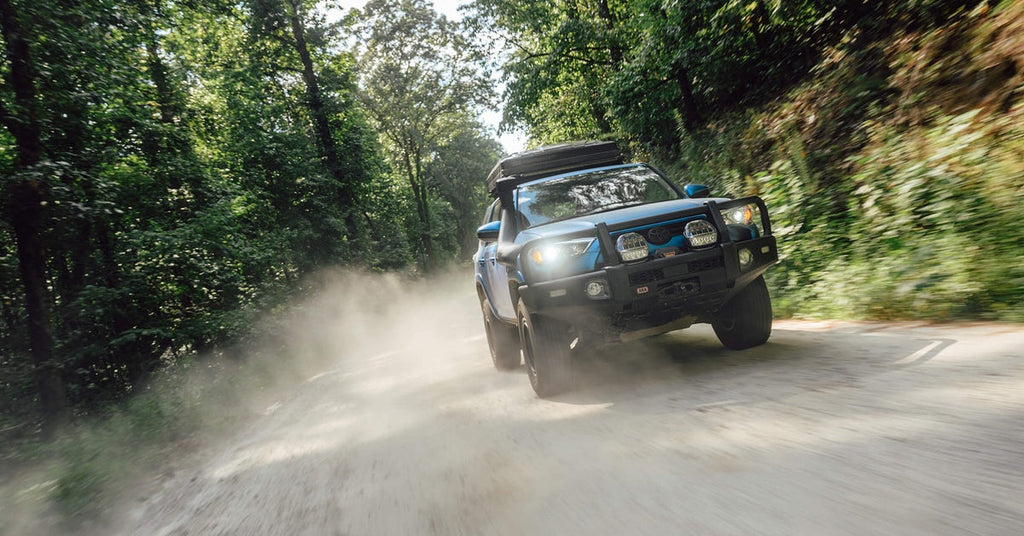
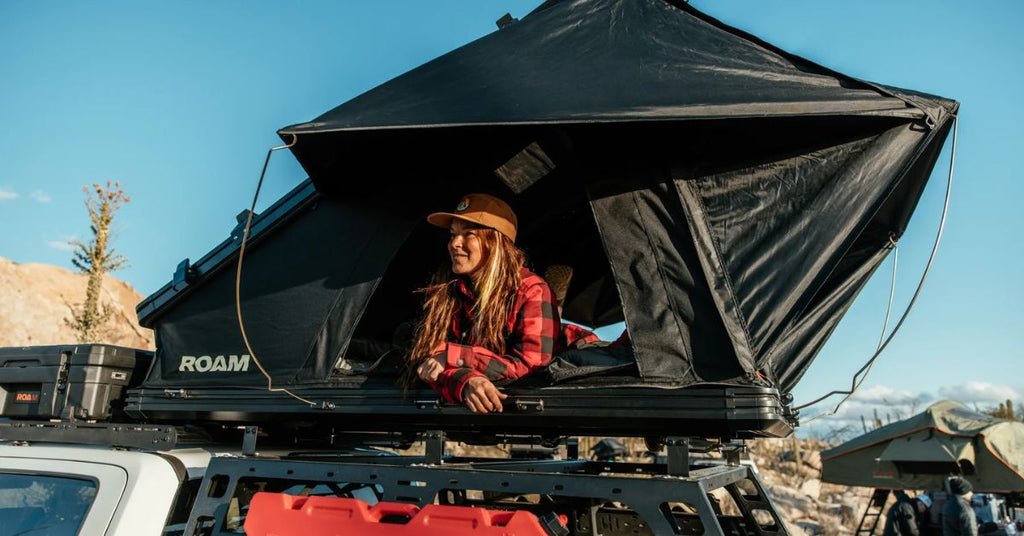
Rooftop tents mount directly to your vehicle’s roof rack system, creating an elevated sleeping platform. These innovative shelters have transformed car camping by combining the mobility of your vehicle with the comfort of a permanent camping setup.
Different Types of Rooftop Tents
Hard-shell and soft-shell designs offer different approaches to rooftop camping. Both types provide unique advantages while sharing the core benefit of elevated sleeping quarters.
Hard-shell rooftop tents feature rigid outer shells that pop up to reveal spacious interiors. They typically open and close quickly, often in under five minutes, and provide excellent weather protection.
Soft-shell rooftop tents fold out from a compact base to create larger sleeping areas. They often include built-in annexes and offer more interior space than hard-shell alternatives, though sizes vary between both models.
Hybrid designs combine elements of both hard and soft shell construction. These tents balance quick setup times with maximum interior space and comfort features.
Advantages of Rooftop Tents
Rooftop tents offer elevated sleeping experiences that keep you off cold, wet ground while providing better views and improved security. You’ll stay warmer and drier compared to ground-level camping in most conditions.
Quick setup transforms camping preparation from a lengthy process to a simple unfold-and-sleep routine. Most rooftop tents pop up and are ready to use in ten minutes or less.
Built-in comfort features include thick mattresses, integrated lighting, and weather-resistant construction. Many models come with amenities that would require separate purchases with ground tents.
Versatile camping locations become accessible when you’re not limited by ground conditions. You can camp on rocky terrain or surfaces—conditions that you’ll often find on overlanding and off-roading trails—which would be impossible with ground tents.
Disadvantages of Rooftop Tents
Higher costs make rooftop tents a significant investment, with quality options typically starting around $900. Installation hardware and professional mounting can add several hundred dollars to the total expense. However, many vehicle owners find that their enhanced durability and high-quality materials more than make up for the initial investment.
Vehicle requirements limit your options to vehicles capable of supporting 150–200 pounds of roof weight. You’ll also need a compatible roof rack system that can handle the tent’s dimensions and weight.
Limited mobility occurs once you’ve set up camp and want to explore the area. Moving your vehicle means breaking down your entire campsite, which can impact day trips. However, as easy as it is to set up and take down these tents, many drivers don’t find it to be too much of an inconvenience.

How To Choose Between Rooftop and Ground Tents
Budget considerations should guide your initial decision-making process. Ground tents offer more options at lower price points, while rooftop tents require a substantial upfront investment but provide better long-term value.
Camping style preferences play a crucial role in tent selection. Frequent car campers who value convenience often prefer rooftop tents, while backpackers and budget-conscious campers typically choose ground options.
Vehicle compatibility determines whether rooftop tents are even feasible for your situation. Check your vehicle’s roof load capacity and available roof rack options before seriously considering rooftop tents. If you’re curious to learn more about roof racks and what you’ll need to mount a rooftop tent, browse our selection at Twisted Pro All-Terrain today.
Learn More About Rooftop Tents
If off-roading and overland rooftop tents sound appealing for your camping adventures, explore Twisted Pro All Terrain. Our expert team can help you find the perfect rooftop tent solution for your vehicle and camping needs.
Investing in a rooftop tent from Twisted Pro All-Terrain is an investment in your outdoor experience. Our high-quality inventory and professional guidance will help you select a tent that matches your specific requirements and vehicle capabilities.
Making Your Final Decision
Rooftop tents and ground tents offer distinct advantages depending on your camping style, budget, and preferences. However, if you’re someone who loves tackling the trails by overlanding and off-roading, you should consider investing in a rooftop tent.
Consider your typical camping scenarios, vehicle capabilities, and long-term outdoor goals when comparing rooftop tents and ground tents. The right choice enhances your camping experiences rather than creating obstacles or frustrations.
For those ready to explore rooftop tent options, Twisted Pro All Terrain offers high-quality, durable rooftop tents designed to elevate your camping adventures. Browse our selection today to find various styles and sizes to match different vehicles and camping preferences.